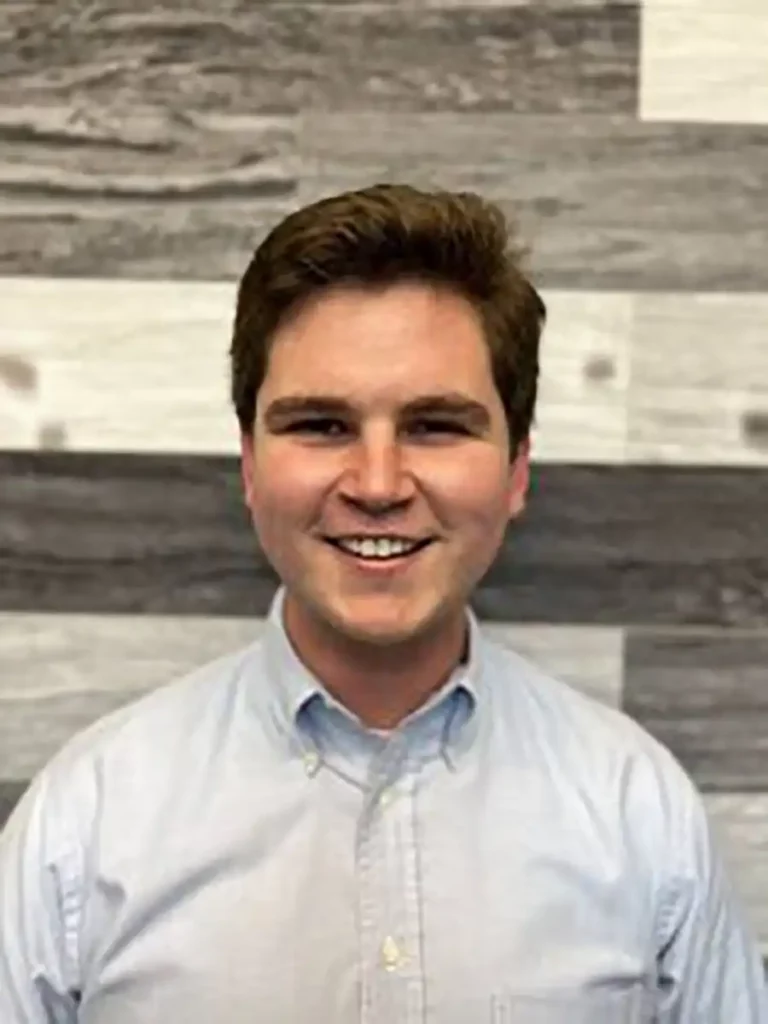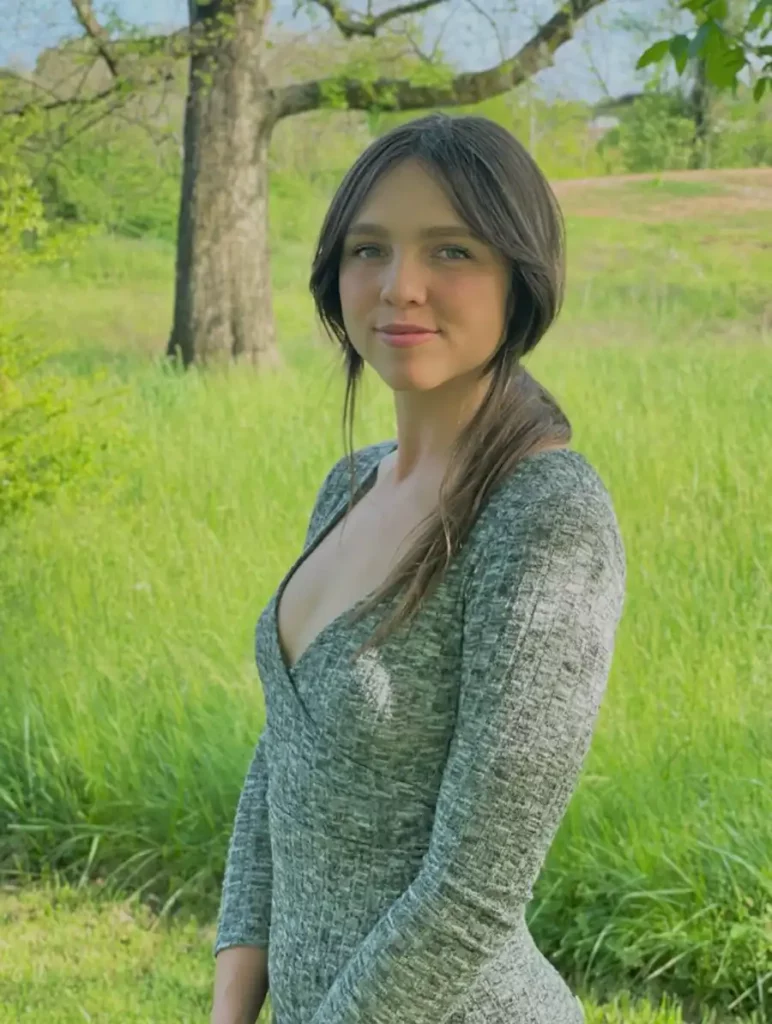
Abigail Lawrence receives internship

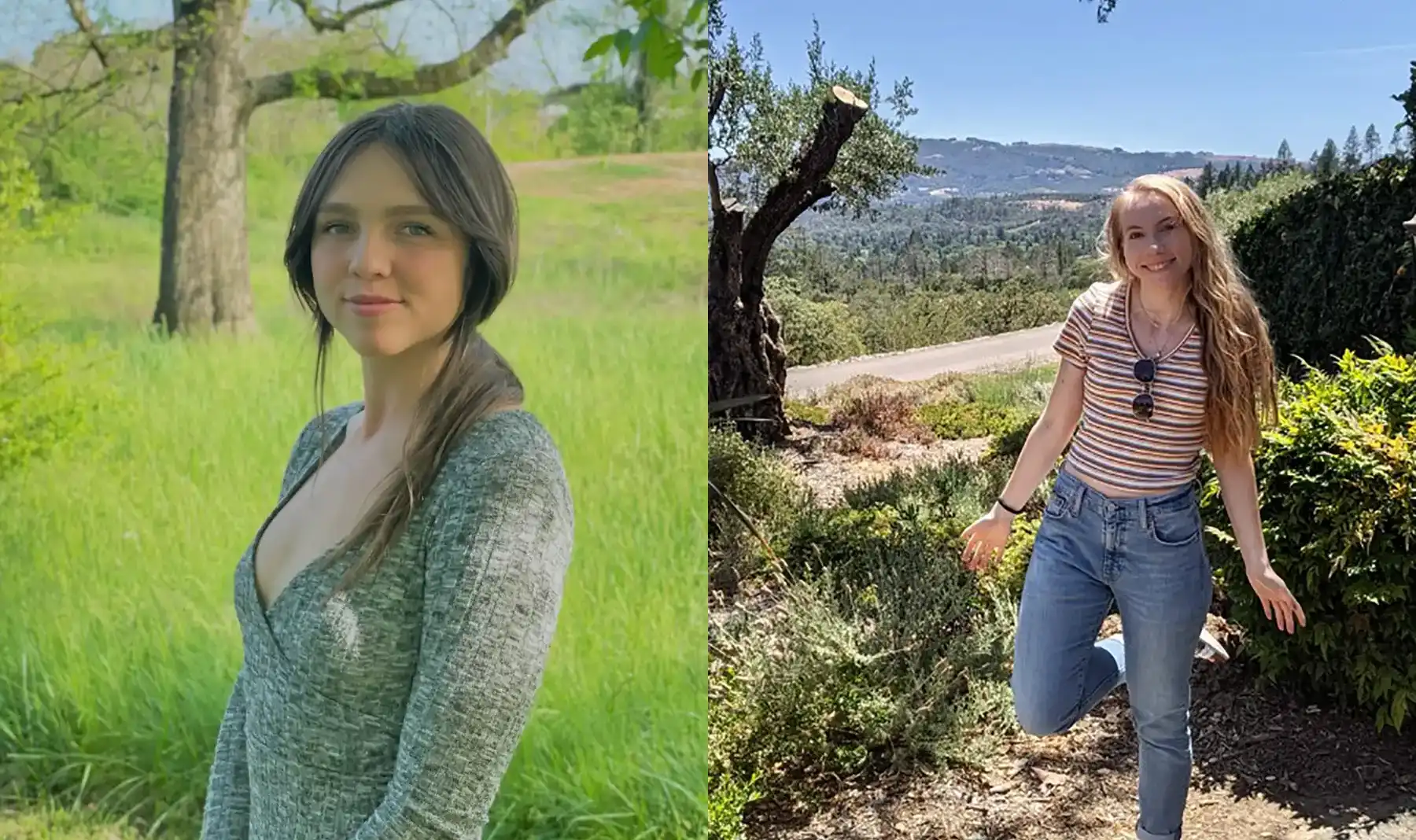
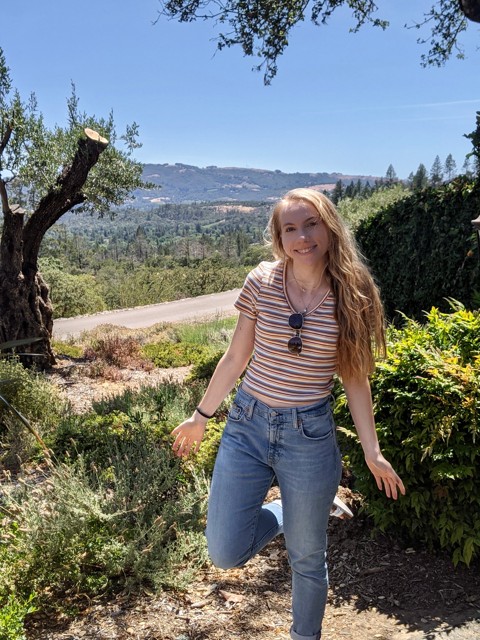
Congrats to Abigail Lawrence for receiving an internship with Rep. Tim Burchett and being elected as the Student Services Director for SGA.


Congrats to Abigail Lawrence for receiving an internship with Rep. Tim Burchett and being elected as the Student Services Director for SGA.


Source: https://artsci.utk.edu/green-receives-academic-support-award
Staff in the College of Arts and Sciences are critical to our ability to achieve success in our departments and across the college. On behalf of the college, Dean Theresa Lee is pleased to honor staff with awards for academic, financial, and technical support, as well as for teamwork.
Molly Green, administrative specialist II in the Department of Geography, received the academic support award. Green joined the department in July 2019 to help with the graduate program. She assists students from the application process through their academic career in the program.
“Being able to help students is one of my favorite parts of working for UT and working with faculty and other staff is my other favorite part,” said Green, who also appreciates the opportunities UT affords staff to sharpen their skillsets.
As noted by her nominator: “Consistently, Molly is praised by our unit for her friendly and supportive demeanor, her patience with highly detailed and time-consuming tasks, and the way she has bravely maintained a constant presence in the geography main office during the two years of the pandemic.”
“This honor was a very pleasant surprise to me – I have long known I am valued in my department, but it means a lot to receive recognition at such a level,” Green said. “I put my heart and soul into my work and it feels wonderful to be recognized for my contributions to UT and the UT Department of Geography.”
Dean Lee will honor the recipients of the 2022 College of Arts and Sciences staff awards during the Spring Fling event Tuesday, April 26 at 4 p.m.


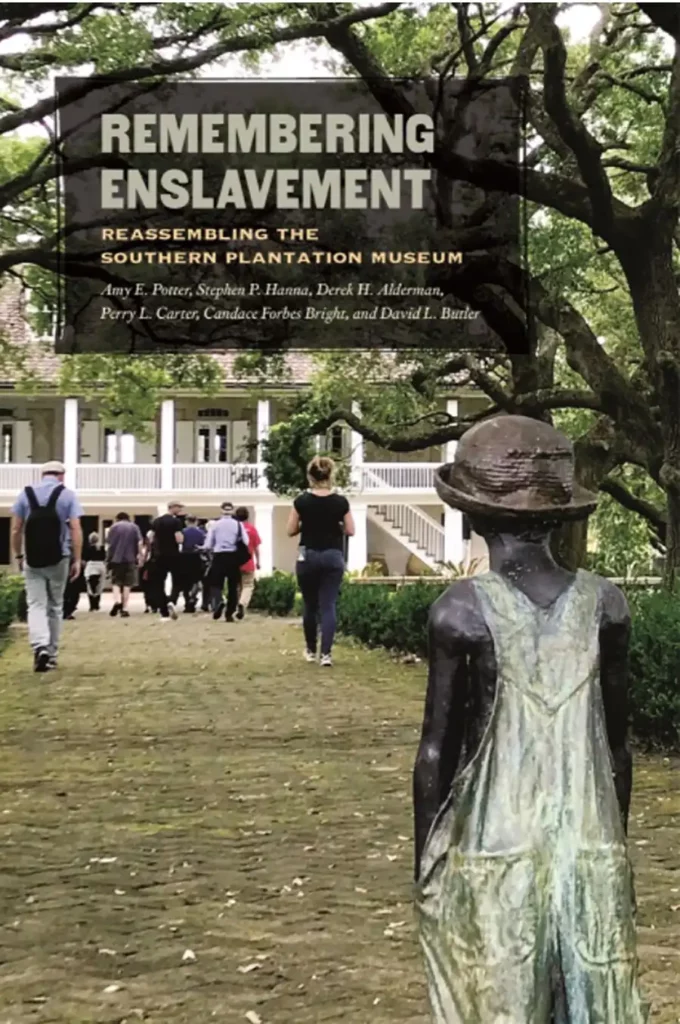
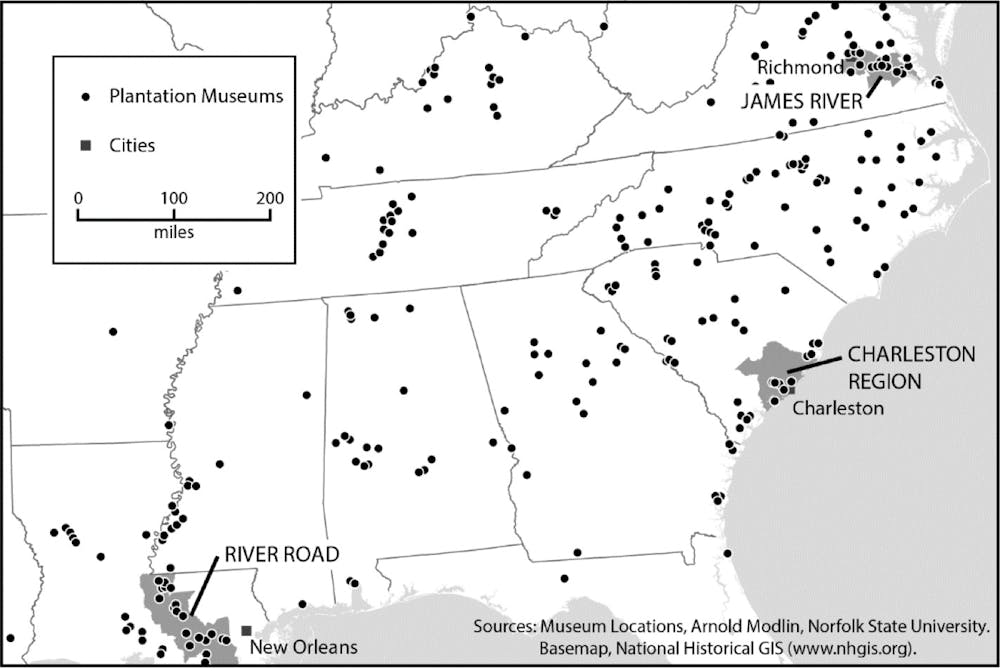
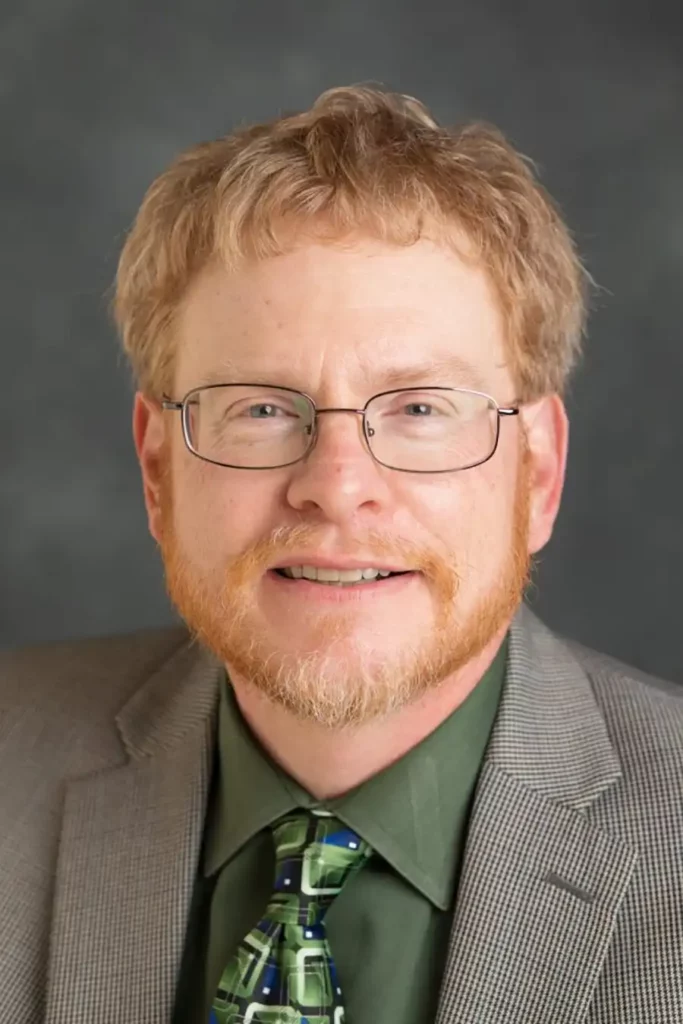
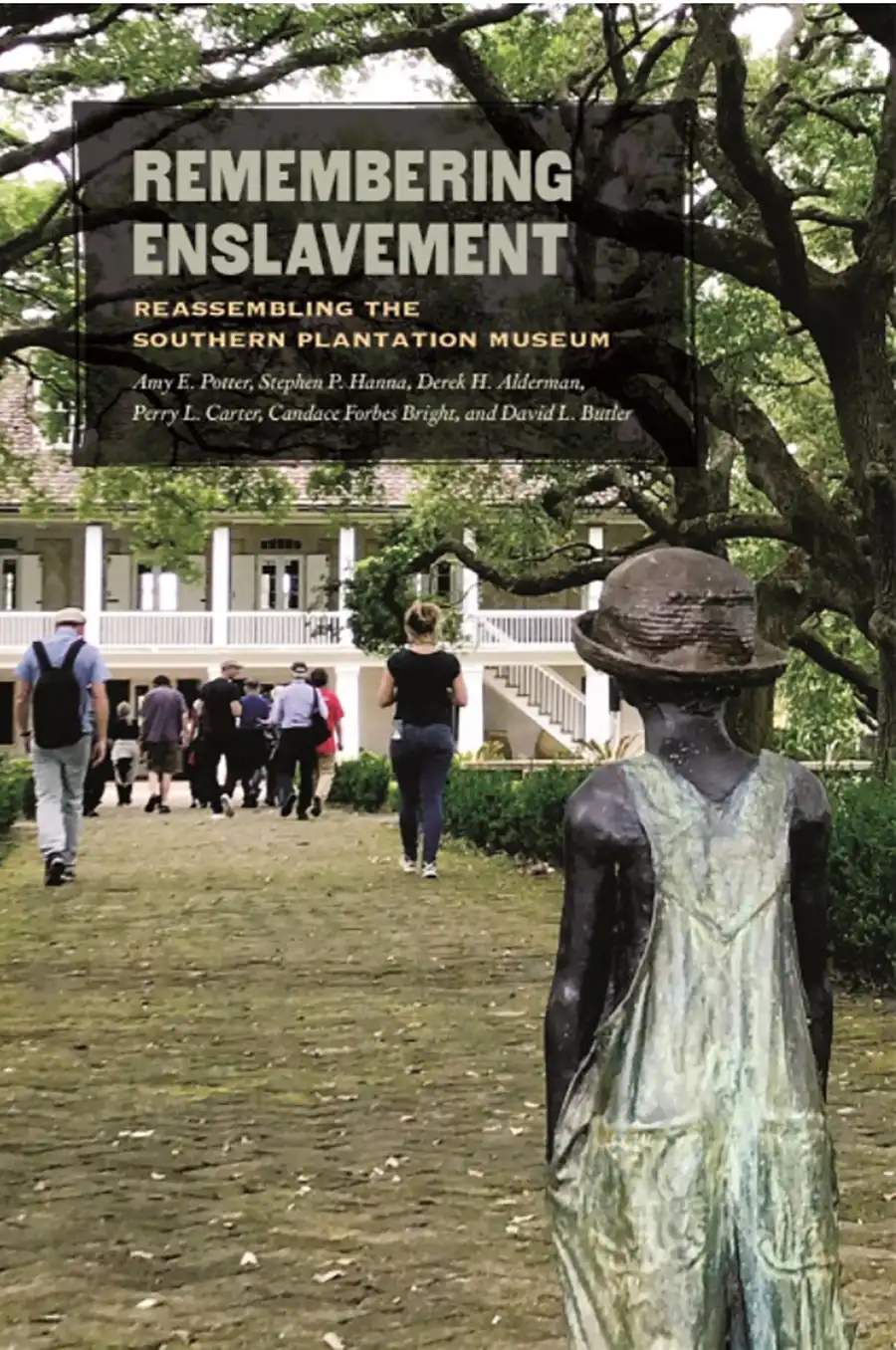
University of Tennessee Geography Professor Derek Alderman recently co-authored Remembering Enslavement: Reassembling the Southern Plantation Museum, published by the University of Georgia Press.
Remembering Enslavement is one of the most comprehensive analyses of plantation museums. It draws from recent theories in museum and heritage studies and thousands of interviews and surveys with tour guides, visitors, site managers, and owners of the plantation museums. The book demonstrates a new, award-winning method for mapping narratives told on guided tours.
There is also a focus on how plantation museums should challenge romanticized myths about the Old South that have long ignored the realities of the Black experience. Authors of the book visited and gathered data at 18 plantation museum sites across Louisiana, South Carolina, and Virginia. While finding that some sites are reforming their treatment of slavery, they assert that plantation museums overall still have much work to do to center struggles and contributions of formerly enslaved communities.
“The book’s great value, in my view, is how it ends by offering practical guidance to plantation museum management on how their heritage tourism sites can do greater justice to Black lives and histories,” Alderman said.
The book comes from a four-year National Science Foundation grant that began as a comprehensive research agenda focusing on socially responsible approaches to tourism development. Alderman received additional funding from UT that allowed him to involve geography undergraduate and graduate students in fieldwork at museums.
The book and grant were carried out with the support of Tourism RESET, a multi-university research and outreach initiative founded by Alderman and co-directed by UT Assistant Professor Stephanie Benjamin and Alana Dillette of San Diego State University. The organization takes aim at racial inequalities in the tourism industry and focuses on supporting the needs and activism of marginalized travelers.
Moving forward, Alderman is focusing on the politics of historical narration at presidential plantation museums. His research team recently completed data collection at lands previously owned by George Washinton, Thomas Jefferson, James Madison, and James Monroe.
“While some of the presidential museums are trying to do a better job of discussing slavery, there are still clearly limits at which these sites are willing to talk about the brutal realities of slavery and fully recognize the histories of enslaved Black Americans—especially if it detracts from the heroic status and reputation of the Founding Fathers,” Alderman said.
–Story by Sarah Berry

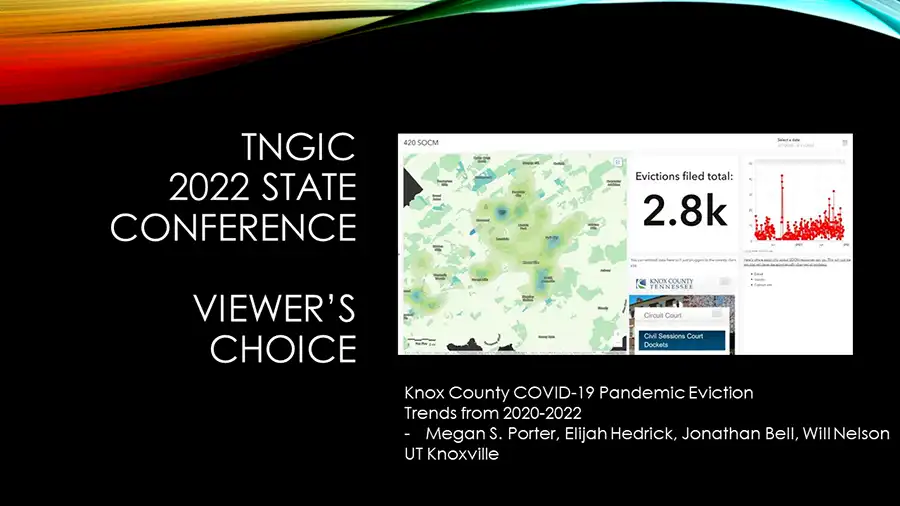
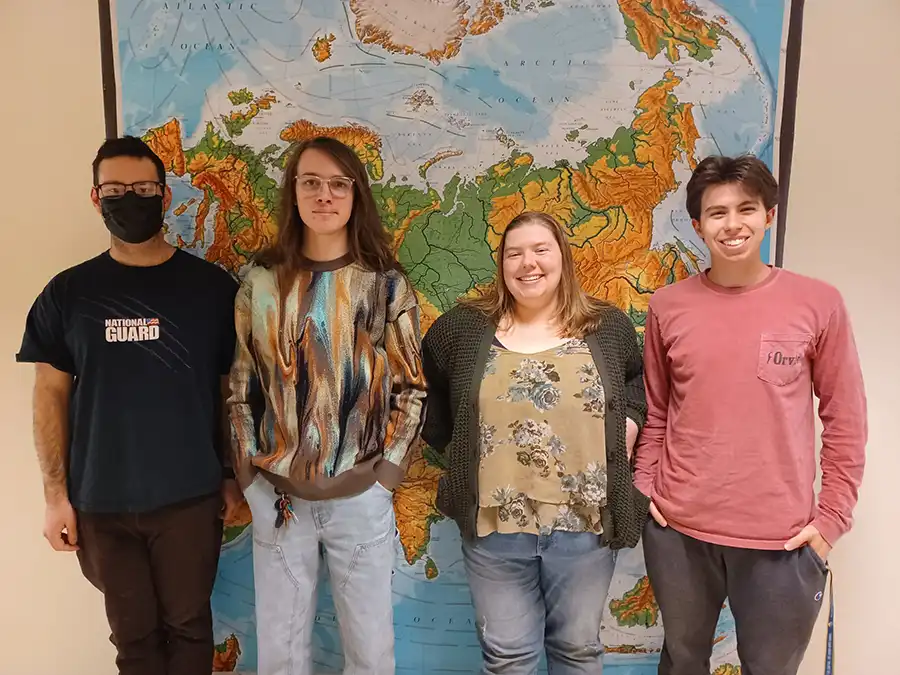
Congrats to Megan Porter, Elijah Hedrick, Jonathan Bell, and Will Nelson from Geography 420 for earning the Viewer’s Choice award at the 2022 TNGIC Map Gallery.


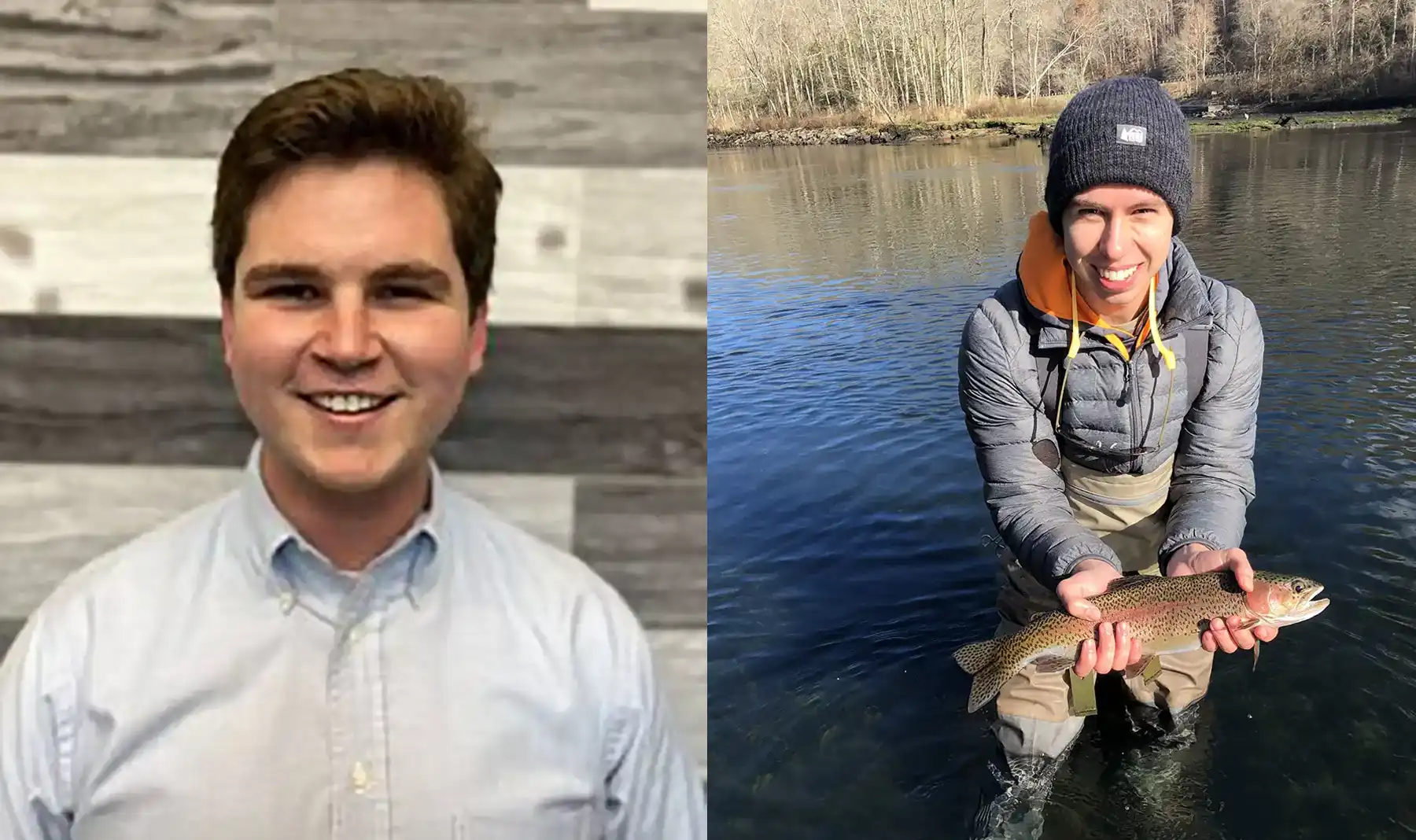
Congrats to geography students Luke Lawley and Will Nelson for getting internships.

Name: Luke Lawley
Graduation Year: Spring 2023
BA Geography, Geospatial Science and Technology Concentration
Internship with Wood PLC

Name: Will Nelson
Graduation Year: 2024
BA Geography, Geospatial Science and Technology Concentration
Internship with Robert G. Campbell and Associates


Amy Potter, Georgia Southern University and Derek H. Alderman, University of Tennessee
State legislatures across the United States are cracking down on discussions of race and racism in the classroom. School boards are attempting to ban books that deal with difficult histories. Lawmakers are targeting initiatives that promote diversity, equity and inclusion in higher education.
Such efforts raise questions about whether students in the U.S. will ever be able to engage in free and meaningful discussions about the history of slavery in America and the effect it had on the nation.
As cultural geographers, we see a potential venue for these kinds of discussions that we believe to be an overlooked and poorly used resource: plantation museums.
If slavery is, as historian Ira Berlin argues, “ground zero for race relations,” then the hundreds of plantation museums that dot the southeastern U.S. landscape seem like natural places to confront the difficult history of America’s slave-owning past.
Exploring that possibility is one of the reasons why – along with fellow tourism scholars Stephen Hanna, Perry Carter, Candace Bright and David Butler – we received a federal grant to research plantation museums across the U.S. South.
We think these plantation museums could be important sites for an educational reckoning with this difficult aspect of America’s past. But that’s only if the people who run these museums are committed to telling the truth about what took place, rather than perpetuating myths about Black life in America under white domination and oppression. This is particularly important as policymakers seek to curtail discussions about racism – or even themes that make people feel “discomfort” – in America’s K-12 schools and colleges and universities.
Usages of these sites have traditionally romanticized life before the Civil War and ignored or trivialized the horrors of slavery. They have also downplayed the resistance and resilience of enslaved communities, thus preventing the nation from getting a fuller and more accurate picture of American slavery.
In order to make better use of plantation museums as places to learn about racism and slavery, the museums must be reformed in a major way and do more than just entertain tourists and sell a heritage experience. Rather, this reform demands a reworking of almost every facet of the museum – from misguided tours that gloss over the harsh living conditions of the enslaved to artifacts and marketing materials that emphasize the opulent and picturesque mansions that belie the horrors of what took place on the surrounding grounds. In our research, we discovered plantation museums where 50% of the tours never mentioned slavery. Our work provides practical guidance to the changes that need to happen.

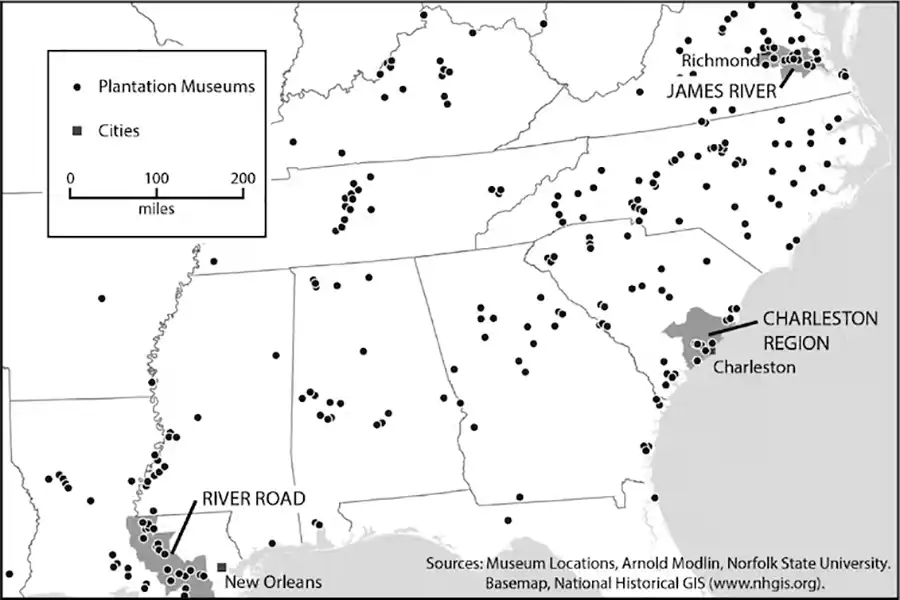
Within the United States, there are at least 375 plantations open for public tours scattered across 19 states. Based on nearly 2,000 surveys our research team conducted, visitors have indicated that they go to plantations to “learn about history.” The general public considers historical sites, such as plantation museums, to be trusted sources for historical information. Therefore, they deserve to be held accountable for the educational experience they provide.
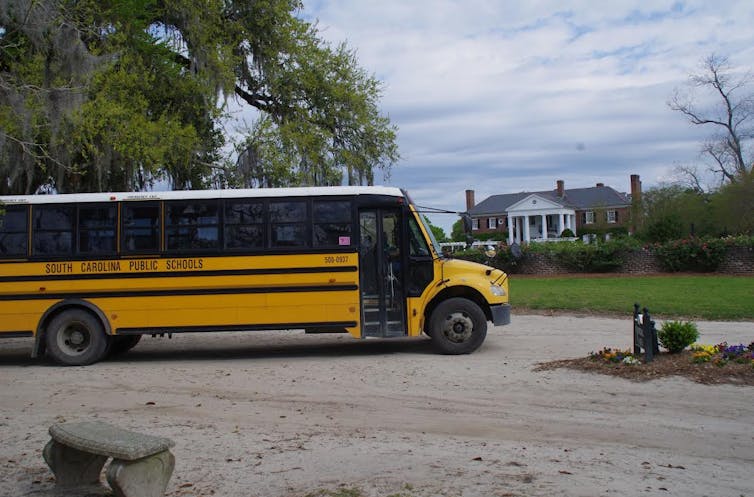
School field trips are an important revenue source for these often cash-strapped sites.
At Shirley Plantation in Virginia, field trips accounted for over 15% of total visitors. At Meadow Farm, near Richmond, Virginia, 40% of the site’s visitors are school children. At Boone Hall in South Carolina, 14,000 school children visit the site annually.
At one Virginia plantation museum, we observed school children go on scavenger hunts where they take on the roles of white slave owners. In one case, the children deliver a message between the white slave owner’s son – a Confederate soldier – and his sick mother while their plantation was occupied by Union troops. This, we believe, leads the children to identify and empathize with the white slave-owning family as opposed to the individuals they enslaved.
Our work calls for plantation museums to engage in a more reparative form of education. This education would come to terms with the injustices of the past and correct the way enslavement is actively misremembered in the present, which in turn harms Black well-being and sense of belonging.
Repairing these historical fallacies is not just about getting the facts correct about the enslaved and the enslavers. It also requires the public to learn certain emotional and social truths about how slavery is a source of pain and tension in America. Lessons should show how this tension continues to impact race relations. Often overlooked is how enslaved labor was used to construct buildings, roads, ports and rail lines we use in America.
Our research found that many plantation museums were reluctant to highlight Black lives and histories. But there is promising evidence of change at sites like McLeod Plantation on James Island in Charleston, South Carolina, which opened in 2015, less than a year after the more well-known Whitney Plantation in Louisiana.
We see both museums – Whitney and McLeod – as exceptional in plantation tourism. Combined, our research found these two sites attract a more racially diverse visitorship than many other plantations because of the inclusive stories being told. Our surveys with visitors suggest public interest in the topic of slavery increased after taking guided tours that focused on the experiences of enslaved communities. In our view, this is a needed counterpoint to media reports of some visitors pushing back against hearing these sober discussions. For instance, tour guides at McLeod reported white visitors yelling at them, claiming the tour attacked their ancestors.
Both of these plantations represent a new way of educating the public about the realities of slavery. Here are three things that stood out during our assessment of the Whitney and McLeod plantations.
We think it’s important to feature slavery and the lives of the enslaved during all aspects of the tour and not keep it separate in a special exhibit.
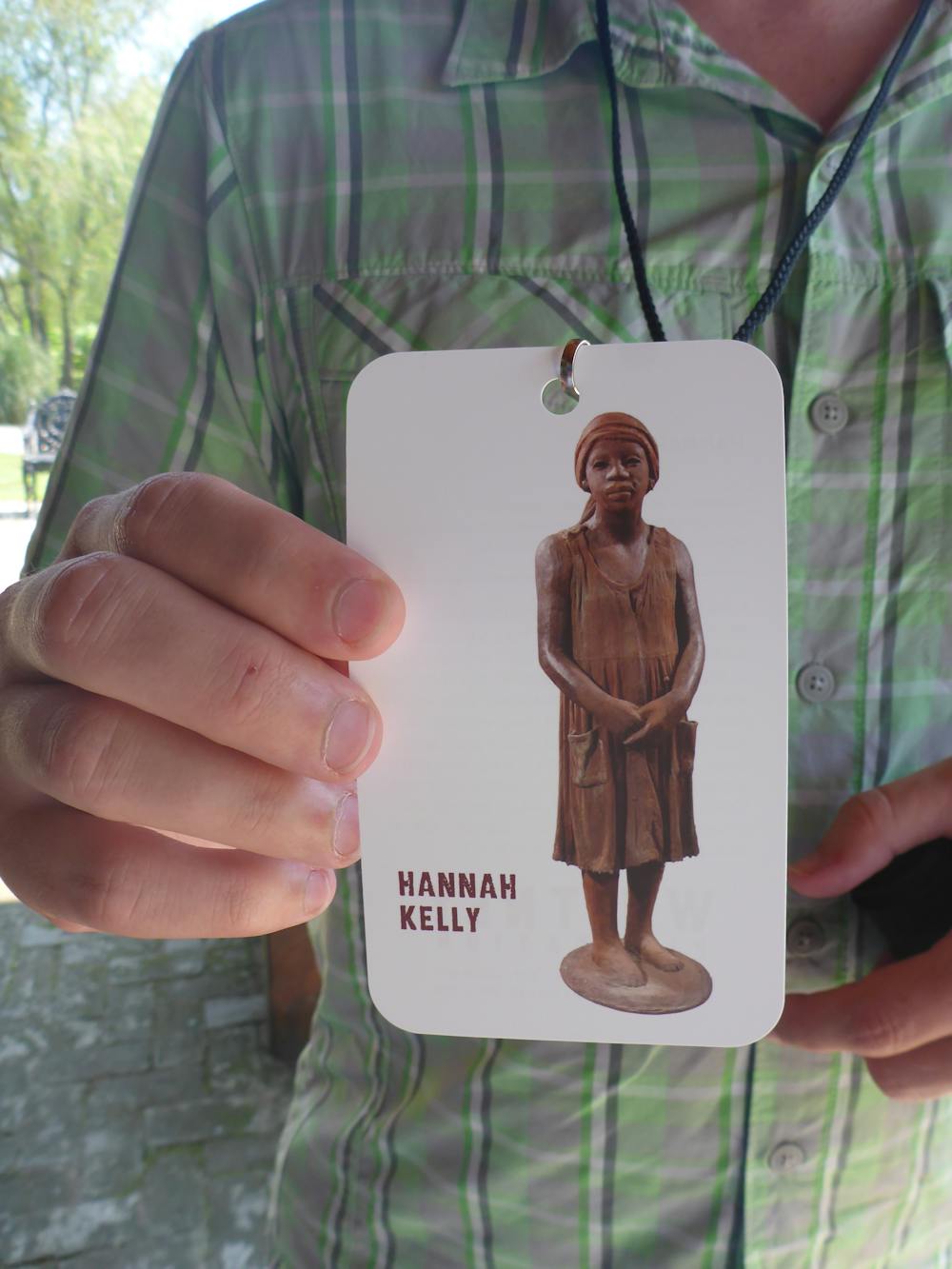
Visitors should be given an opportunity to make thoughtful connections to those who were once enslaved by learning names and details about their lives. At Whitney, for example, visitors are encouraged to make emotional connections. One way they do this is by receiving a lanyard at the start of the tour that features the words and image of a formerly enslaved child.
We know the plantation can be an especially fraught and emotional experience, particularly for Black visitors. During our fieldwork, Black visitors would often describe the land as sacred and a powerful place to connect to the ancestors. Some of these plantations have even hosted Black family reunions. Whitney Plantation provides opportunities for visitor reflection and contemplation throughout the tour, such as benches near a wall that memorializes and honors all of the people who were enslaved there.
McLeod’s management purposely hired guides who would disrupt romantic notions of the plantation and engage meaningfully with themes of slavery, race and social justice. They also provided ongoing training and support to guides doing the difficult work of challenging or complicating long-held plantation myths.
[Over 150,000 readers rely on The Conversation’s newsletters to understand the world. Sign up today.]
Managers at McLeod acknowledged the stress experienced by their tour guides when they focused on enslavement and its aftermath. They took extra steps to ensure that their guides were supported by initiating a “golden hour.” This was a time for staff to come together and reflect on difficult encounters with the visitors, who sometimes challenged guides’ historical knowledge and fairness. It was also a time for the guides to develop strategies to cope with the emotional toll of the hostility they faced while doing their jobs.
Amy Potter, Associate Professor of Geography, Georgia Southern University and Derek H. Alderman, Professor of Geography, University of Tennessee
This article is republished from The Conversation under a Creative Commons license. Read the original article.


Congratulations to Ella Hunter, UTK Geography and Mathematics major, for receiving an NSF funded Research Experience Undergraduate (REU) internship at the University of Oklahoma this summer. Ella will utilize her concentration in Climate and Climate Change as part of the Real-World Research Experiences for Undergraduates in Atmospheric and Geographic Sciences within the National Weather Center under the supervision of Alex Marmo and Dr. Daphne LaDue. Ella will graduate in Spring 2024.
Website: https://www.caps.ou.edu/reu


The UTK Geography Department is thankful for our amazing alum at East Tennessee Development District (ETDD) who work with our students as mentors and internship supervisors. Emily Craig, 2019, has this to say about working with Olivia:

Olivia is one of the best students I’ve had the pleasure of mentoring as an internship supervisor at ETDD. She came onboard to assist in the ongoing update of our county-wide Census Reports following the release of 2020 Decennial Census data mid-last year. With minimal guidance, Olivia led the identification of Census source tables, collection of relevant data from those tables, as well as data reformatting for all 15 county reports. With 18 tables in each report, she prepared a total of 270 tables. Olivia proved her technical writing skills in her updates to the written sections of each report as well. This project has required a high level of coordination, organization, and record-keeping on her end, which she continues to execute with great success. Her ability to communicate and meet deadlines during a remote internship has been especially impressive. I look forward to continuing this project with her as the updates progress. Olivia is a great example of the caliber of students I’ve worked with from the University of Tennessee Geography Department. Through my past two years of internship supervision, guest speaking, and career mingles, I’ve met and mentored bright, dedicated individuals who no doubt have promising careers ahead of them. As a UTK Geography alumnus, I’m so thankful to have that connection to my home department along with an employer who encourages it – student mentorship adds value not only to students’ lives as future-professionals, but to my life as a current-professional and to our organization as well. I hope to continue giving back to the department in this way, as it did so much for me during my time there.


University of Tennessee, Knoxville, Professor of Geography Derek Alderman has spent over two decades researching the hundreds of streets, avenues, and boulevards that have been named after Martin Luther King Jr. and their significance in creating a shared public memory. “The use of place names for commemorative purposes is about creating psychological and emotional connections,” he said in a 2014 story in UT’s Quest magazine.

Two years ago, when film producers Amber Payne and Rayner Ramirez were planning a documentary about MLK streets, they reached out to Alderman, who suggested case studies and themes to help them develop their narrative. In October 2021, Alderman met with Payne and Ramirez in Baltimore and shared some of his thoughts about MLK streets on camera.
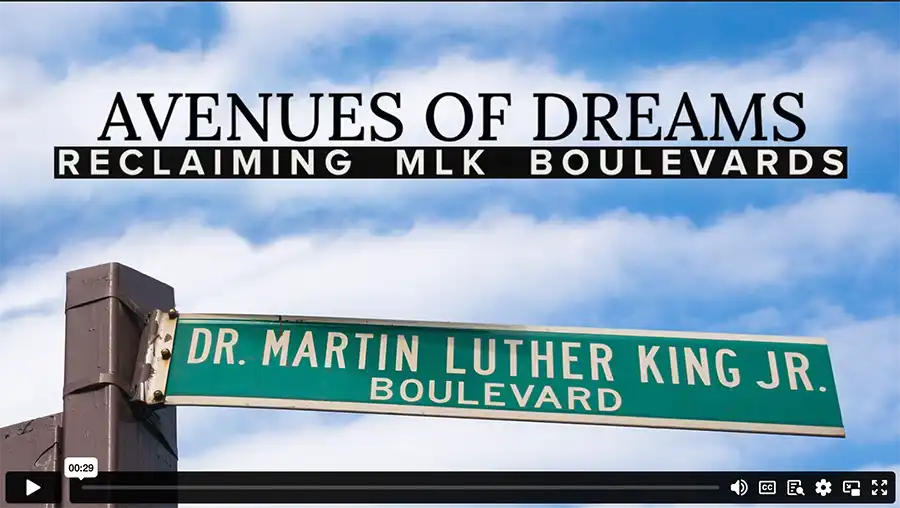
In Avenues of Dreams: Reclaiming MLK Boulevards, now showing on Xfinity’s Black Experience Channel, Alderman appears three times. In the opening minutes, he notes that street names are more than memorials to the past. “They are memorials for effecting social change,” he says, and are increasingly centers of Black activism and resilience.
Later in the documentary, Alderman comments on the history of redlining, the longstanding policies of banks and the federal government to withhold mortgage loans from areas occupied largely by African Americans. “These policies suggested that the areas were not worthy of improvement and investment,” he says. “The stigmatizing of streets named for Dr. King is reflective of a legacy absolutely found in redlining.”
Near the end of the film, Alderman describes MLK streets as a litmus test for where the country is going and whether it is coming to terms with economic inequalities and systemic racism. Underlying King’s asphalt memorials, according to him, is a broader consideration of “whether the nation is being accountable to Black America or turning its back on Black America.”
Alderman watched Avenues of Dreams for the first time on January 25. “The producers were very generous to include me,” he said. “But I’m especially pleased that the film foregrounds and centers Black residents, community organizers, and development experts working to reclaim and restore MLK Boulevards, giving them the spotlight and amplifying their voices. It’s a chance for us to hear the people in those communities tell their stories in their own words.
“As a geographer, I am so pleased with the way Amber and Rayner framed the question of where we find these streets. They move beyond just seeing MLK Avenues as locational markers or memorials and situate these streets within the histories, development needs, and civil rights struggles of surrounding neighborhoods. Although the focus of the documentary is on Baltimore and St. Louis, the directors’ emphasis on place-based Black storytelling can help us understand the significance of many of the country’s MLK roadways.”
–Story by Brooks Clark

Dr. Qiusheng Wu just published a new blog post – Creating satellite timelapse with Streamlit and Google Earth Engine. Check it out.
Blog: https://blog.streamlit.io/creating-satellite-timelapse-with-streamlit-and-earth-engine
Web App: https://streamlit.gishub.org
GitHub: https://github.com/giswqs/streamlit-geospatial