• Request Info
  • Visit
  • Apply
  • Give
  • Request More Info
  • Visit
  • Apply
  • Give

Search

A-Z Index Map

Geography and Sustainability

  • About
    • Facilities
    • Alumni
    • Research & Community Partners
    • Geographic Links
  • Areas of Study
    • Physical Geography
    • GIST
    • Human Geography
    • Sustainability
  • People
    • Faculty
    • Staff
    • Graduate Students
    • Adjunct & Affliated Faculty
    • Alumni
    • Emeritus
  • Undergraduate
    • Where Can a Geography Degree Take You?
    • Majors
    • Minors
    • Certificates
    • Advising
    • Forms
    • Apply
  • Graduate
    • MS Program
    • PhD Program
    • Apply
    • Graduate Handbook
    • Forms
  • Student Engagement
    • Clubs
    • Community Engagement
    • Awards
    • Internship and Employment
    • Study Abroad
  • News & Events
    • Statements
    • Share Your News
    • Newsletters
    • News
    • Events
    • Geography Awareness Week
    • GeoSym
topography background

News

Department News

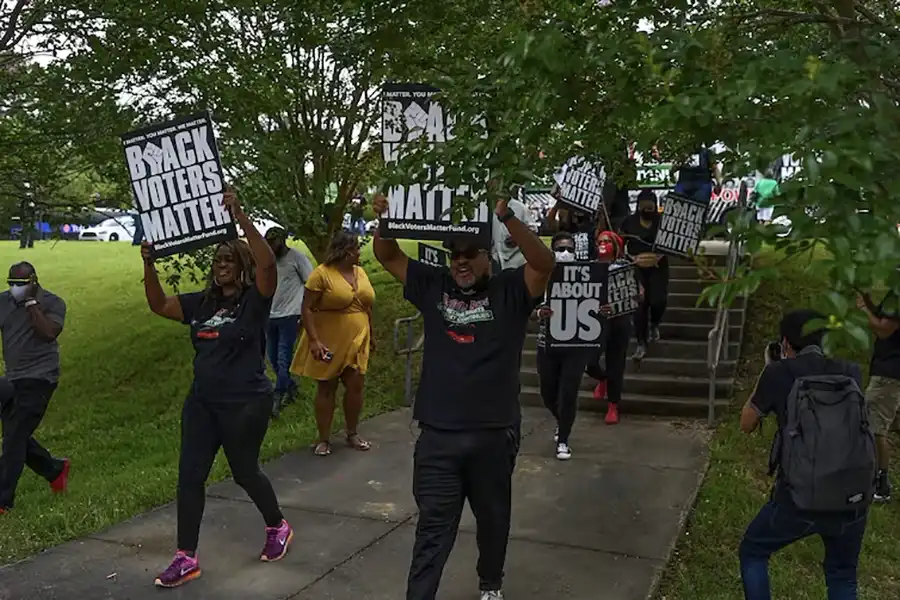
Black Voters Matter demonstrators march during a voting rights rally on June 19, 2021, in Jackson, Miss. Joshua Lott/The Washington Post via Getty Images, Image from article in The Conversation

Alderman Published in The Conversation

November 4, 2022

Alderman Published in The Conversation

How a 2013 US Supreme Court ruling enabled states to enact election laws without federal approval
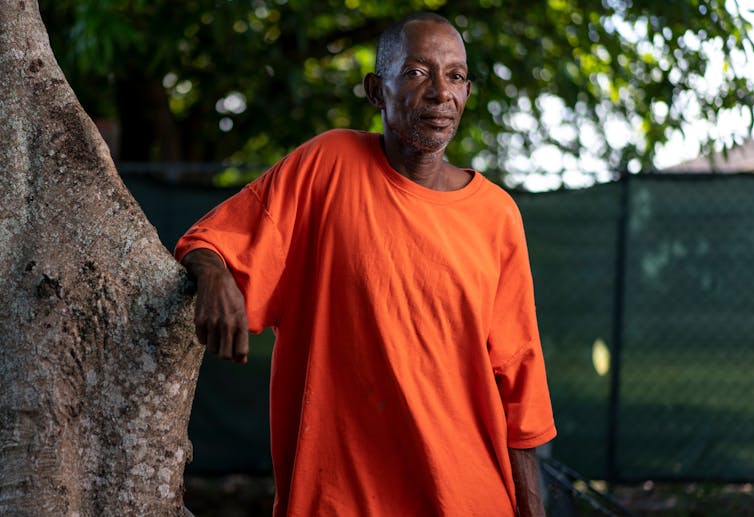
A photo of Terry Hubbard in an orange shirt leaning against a tree
Terry Hubbard, a former felon, voted in the 2020 presidential election and was arrested two years later in Florida on voter fraud charges.
Josh Ritchie for The Washington Post via Getty Images

Joshua F.J. Inwood, Penn State and Derek H. Alderman, University of Tennessee

Since 2019, legislators and election officials in Florida have revised, passed and enforced restrictive voting laws that make it harder for poor people, former felons and people of color – who traditionally favor Democrats in elections – to vote.

At the same time, they appear to have taken exceptional measures that have made it easier for voters in Republican areas of the state to cast their ballots, especially after a natural disaster.

The pattern of favoring GOP voters and discriminating against people of color, especially against Blacks, has been so obvious that, in a brief filed in federal court on Aug. 17, 2022, federal prosecutors argued that Republicans lawmakers targeted Black voters when they enacted the new election law in Florida, a charge denied by lawyers defending the state.

Yet less than a week after the filing, instead of addressing widespread concerns over the restriction of voting rights, Florida Gov. Ron DeSantis held a news conference to show how his state is taking “voter fraud” seriously.

Despite the lack of evidence of widespread voter fraud, DeSantis told the assembled media that the state’s new Office of Election Crimes and Security was in the process of arresting 20 Florida residents for allegedly committing voting fraud.

Based on media reports, the majority of those pursued by authorities were Black voters.

Although a judge dismissed charges filed against one man, we believe these arrests are a bellwether of more efforts Americans will likely see to intimidate voters under the guise of election security.

The question, then, is how are states allowed to enact election laws that appear race neutral – but have a disproportionate impact on voters who have been historically disenfranchised?

Impact of Shelby v. Holder

We are scholars of the American civil rights movement and the role of geography and voter intimidation in the long struggle for Black voting rights.

The actions in Florida are part of a national trend that saw dozens of states across the country overhaul their election laws after former President Donald Trump’s persistent and false claims of fraud in the 2020 presidential election.
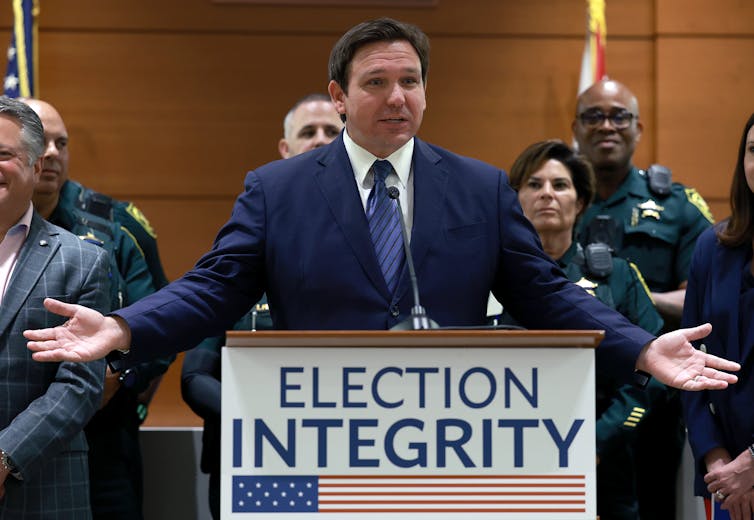
A white man dressed in a business suit stands with outstretched arms behind a lectern that has a sign bearing the words Election Integrity.
Florida Gov. Ron DeSantis announces on Oct. 18, 2022, that the state’s new Office of Election Crimes and Security is in the process of arresting 20 individuals for voter fraud.
Joe Raedle/Getty Images

The rash of new state election laws includes everything from closing polling places to restricting the time and place of early voting. They also include partial bans on providing water and food to people standing in line to vote.

Not all of these laws included restrictions, and some were established to avoid health risks during the COVID pandemic.

These bills were often couched in the language of preventing voter fraud to protect democracy. “Voter confidence in the integrity of our elections is essential to maintaining a democratic form of government,” said Florida’s Republican Senate president, Wilton Simpson.

But voting rights experts argue that instead of prohibiting election fraud, many of the new laws may make it harder for people to vote.

In the past, the 1965 Voting Rights Act included requirements that, in states that historically had discriminated against the right of Black people to vote, such major changes to election law would have sparked a review by the U.S. Department of Justice to determine whether they could take effect.

The loss of that federal oversight was made possible by a 2013 U.S. Supreme Court 5-4 decision in the case of Shelby v. Holder. That decision eliminated the oversight requirements of the 1965 Voting Rights Act.

From the outset of the Voting Rights Act, Alabama, Alaska, Georgia, Louisiana, Mississippi, South Carolina and Virginia were required to have federal oversight in order to prohibit those states’ adopting discriminatory election laws.

In addition, several specific counties in Arizona, Hawaii, Idaho and North Carolina were also found to have discriminated in the past, thus requiring federal oversight.

New state election laws

These states, long under scrutiny by the federal government for discriminatory voting laws, were some of the first states to enact new and more restrictive voting regulations and rules after the 2013 Supreme Court ruling.

Yet these states were not the only ones to consider changing or enacting new election laws since the 2020 presidential election. In 2022 the effort to restrict the right to vote has accelerated.

Thirty-four bills currently are moving through 11 state legislatures to restrict access to the vote. In all, 39 states have considered over 390 restrictive bills, and these efforts affect minority voters most specifically.

Though the impact on voter turnout is an open question among election experts, one thing is clear – the number of polling places and voting drop boxes in communities of color has diminished since before the COVID-19 pandemic.

While inconsistent data reporting makes it difficult to determine the exact number and location of closed polling places, recent statistics suggest that since the 2013 ruling, at least 750 voting locations in Texas, 320 in Arizona, 240 in Georgia, 126 in Louisiana, 96 in Mississippi and 72 in Alabama have closed.

Modern-day poll tax

In all, over 1,600 polling places have closed across the U.S. since the Holder decision in 2013.

Recently, civil rights organizations, including the NAACP Legal Defense Fund, have pressed Mississippi for information on poll closures in the state to determine if new election laws there are having a detrimental impact on Black residents’ ability to vote.

According to the Mississippi Free Press, the state “does not provide an up-to-date, comprehensive list or database of voting precincts to the public,” as required by law.

These closings, often done with little notice or public accountability, have occurred across communities of varying racial and demographic characteristics.

What unites these places across the country are the increased burdens and costs they impose on voters of color, older voters, rural voters, voters with disabilities and poor working people in general.

In our view, the poll closings since the Holder decision have created significant financial costs for those least able to bear them. We see the long lines as more than an inconvenience – they are effectively a modern-day poll tax.
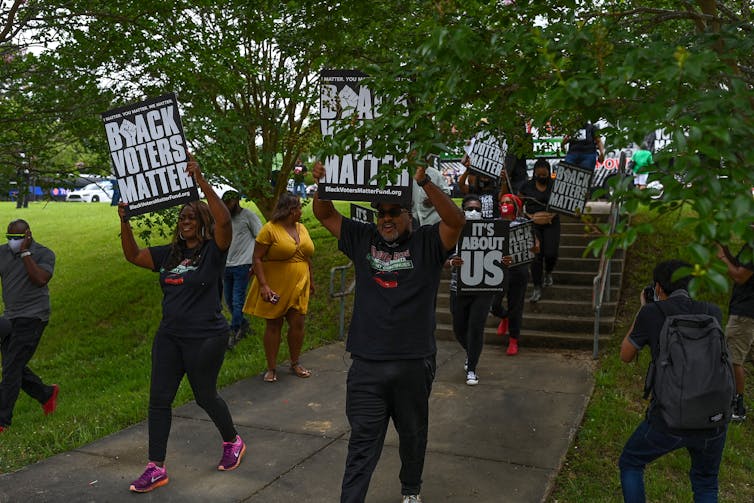
Scores of black demonstrators holding posters march to support black voting rights.
Black Voters Matter demonstrators march during a voting rights rally on June 19, 2021, in Jackson, Miss.
Joshua Lott/The Washington Post via Getty Images

The poll tax was an amount of money each voter had to pay before being allowed to vote. After the Civil War, many Southern and Western states used the poll tax and other Jim Crow measures to keep poor and minority voters from being able to cast ballots.

The frequently exorbitant taxes were outlawed in 1964 by the the 24th Amendment to the U.S. Constitution.

Our research shows that democracy depends upon communities’ having equitable social and geographic access to voting places.

The new Florida election law was challenged in March 2022 by voting rights advocates, the League of Women Voters of Florida and the Florida NAACP. Though that case is under appeal – and restrictions were allowed to remain in place during the midterm election – Chief U.S. District Judge Mark Walker found in his lower court ruling that the Florida law placed restrictions on voters that were unconstitutional and discriminated against minority citizens.

“At some point, when the Florida Legislature passes law after law disproportionately burdening Black voters, this court can no longer accept that the effect is incidental,” Walker wrote.The Conversation

Joshua F.J. Inwood, Professor of Geography and Senior Research Associate in the Rock Ethics Institute, Penn State and Derek H. Alderman, Professor of Geography, University of Tennessee

This article is republished from The Conversation under a Creative Commons license. Read the original article.
Filed Under: Department News, Human Geography

Headshot photo

Wu Appointed as Amazon Visiting Academic

October 28, 2022

Wu Appointed as Amazon Visiting Academic

Qiusheng Wu

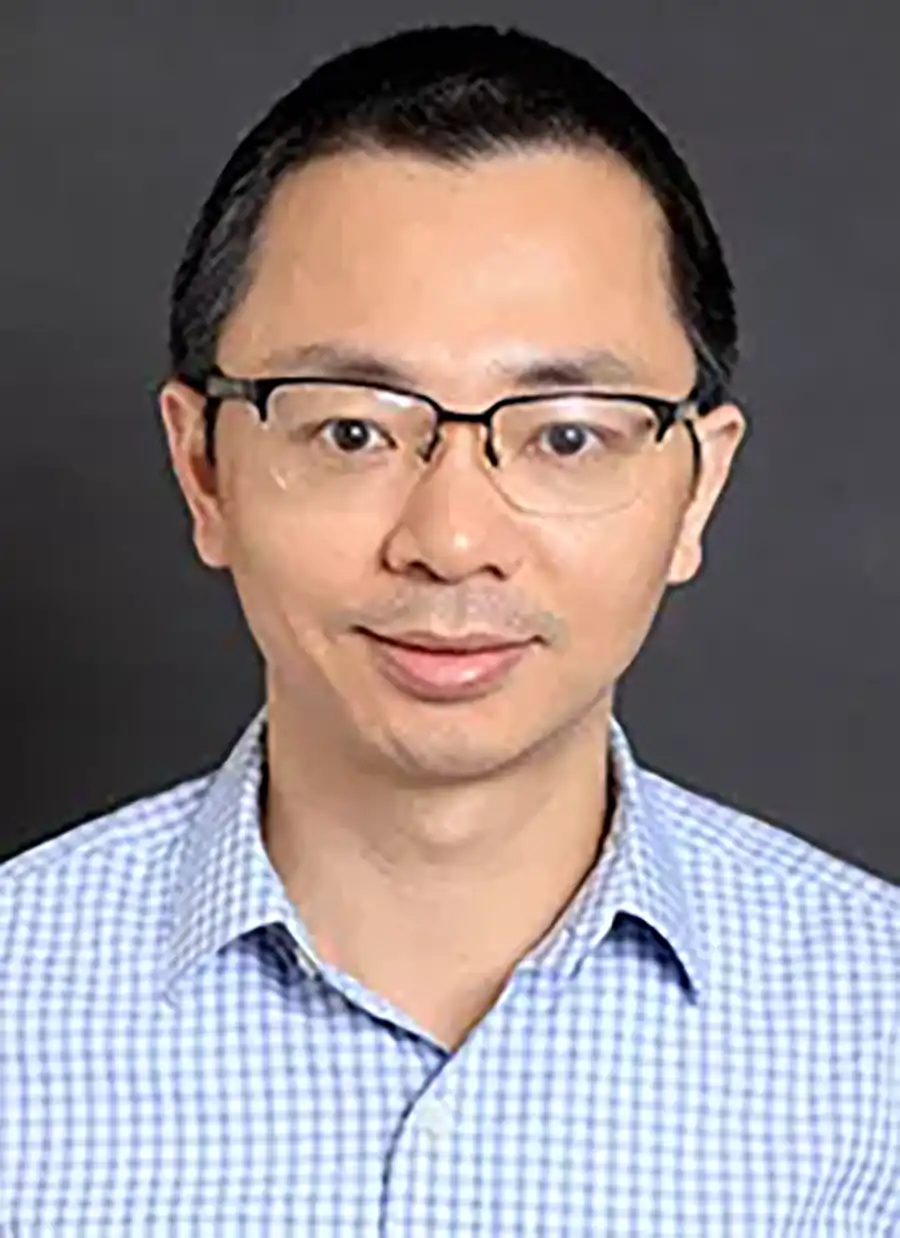
Qiusheng Wu, assistant professor of geography and sustainability at the University of Tennessee, Knoxville, was appointed an Amazon Visiting Academic working for Amazon Web Services’ Deep Learning organization. The program allows academics to conduct research while teaching and leading at universities.

Wu’s work with Amazon focuses on solving large-scale high-impact technical challenges related to geospatial data science, machine learning and mapping.

“I look forward to the opportunity to be actively engaged in building connections more broadly with different organizations within Amazon that can bring value and insight back to the university and the state,” Wu said. “The opportunity will ignite collaborations and open up doors for our students to engage with Amazon as well through internships and employment opportunities.”

Wu has developed and published many online open-source information packages and educational materials that are frequently used by geospatial researchers. His GitHub, which has several thousand followers, contains all his open-source research projects. Wu has produced and uploaded hundreds of videos on his YouTube channel, which has more than 17,000 subscribers and half a million total views.

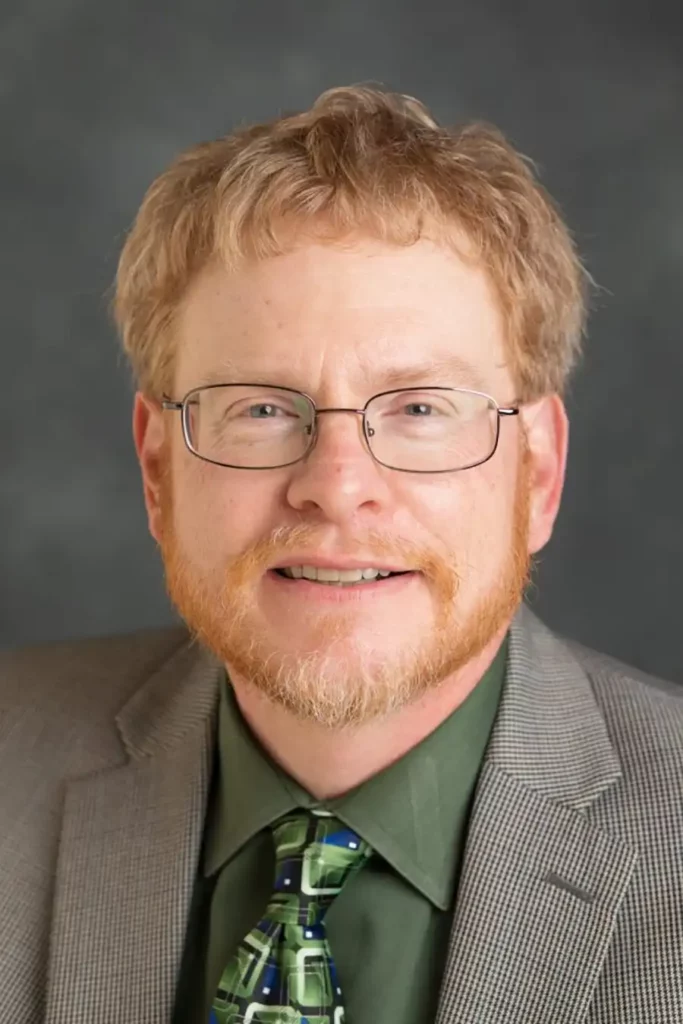
“We are proud that Qiusheng’s scholarship is among the most richly rewarded at the university,” said Nicholas Nagle, professor and head of the Department of Geography and Sustainability in UT’s College of Arts and Sciences.

Amazon’s Visiting Academics program allows academics to research extensive topics and issues at world-class research institutions. To qualify, applicants must have a doctoral degree and at least five years of postdoctoral research experience. They must also be serving as a university professor, consistently apply knowledge from other disciplines, and have notable research and technical leadership skills.

Wu began his service as an Amazon Visiting Academic Oct. 17.

–Story by Jessica Foshee

Filed Under: Department News, GIST

Emily Frazier

Geography alumna Emily Frazier published an op-ed in Washington Post

October 12, 2022

Geography alumna Emily Frazier published an op-ed in Washington Post

Headshot photo of Emily Frazier

Our Geography alumna Dr. Emily Frazier just published an op-ed in the Washington Post titled “Geopolitics, not humanitarianism, has long guided U.S. refugee policy“. 

Emily graduated from our PhD program in 2019, and she is currently an Assistant Professor of human geography at Missouri State University, and her research focuses on refugee resettlement in the U.S.

Congratulations, Emily! 

Filed Under: Alumni News, Department News, Human Geography

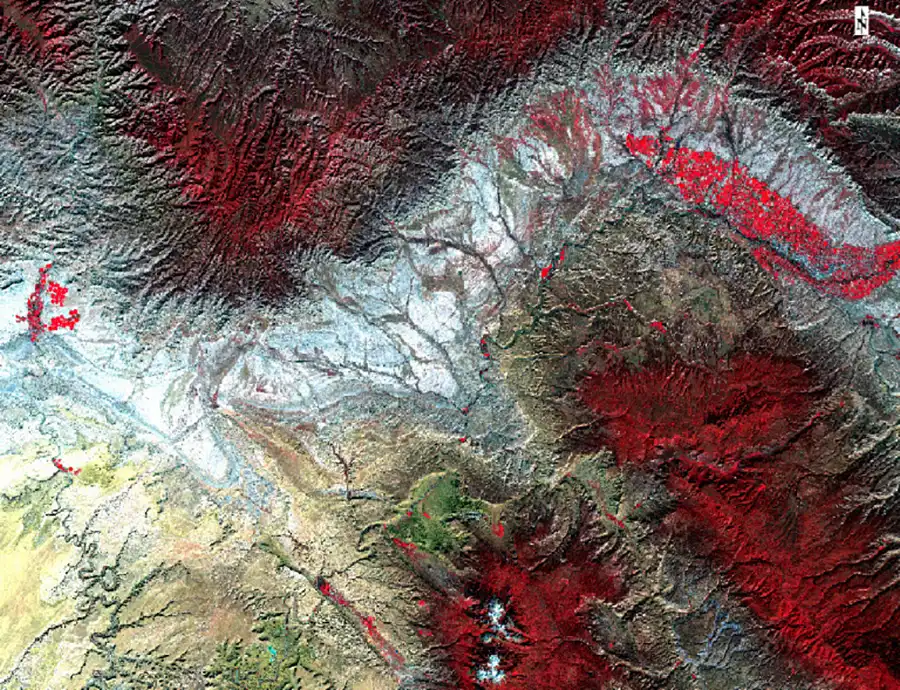
False color infrared image by L3 Harris Geospatial

Michael Camponovo recognized by Esri and National Geographic

September 26, 2022

Michael Camponovo recognized by Esri and National Geographic

Michael Camponovo

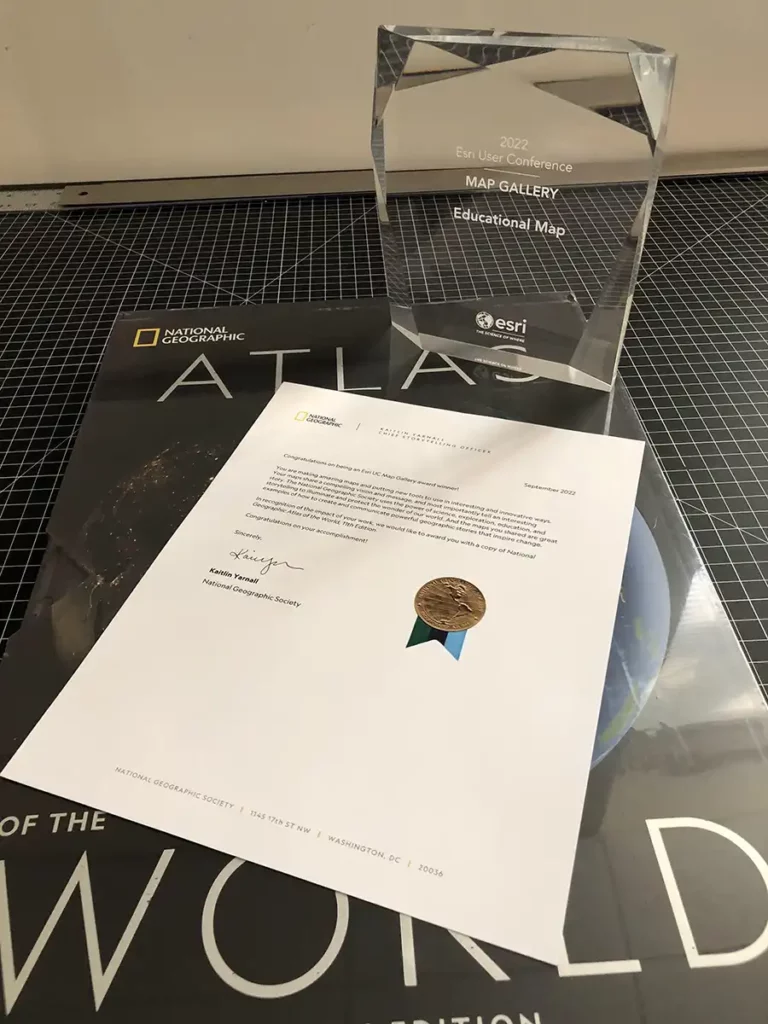
Our GIS Outreach Coordinator Michael Camponovo was recognized by Esri and National Geographic for a story map he made focusing on EMR, remote sensing, and geospatial tech and how students can use them to study landscape recovery after wildfires. Well done, Michael. Congratulations!

See the Storymap Here

The Storymap’s Introduction

Exploring EMR With Wildfire Satellite Imagery

Combining Math, EMR, and GIS

Teachers are encouraged to download and use this mini-unit lesson plan ( Google Doc link )

Here in the United States, we typically associate wildfires with the western part of the country. But we actually have wildfires all across the country, even here in Tennessee.

While we often think of wildfires as destructive and bad, they are actually a natural part of our landscape. In fact, some species, like the table mountain pine, need  fires for their cones to open and drop their seeds . Animals benefit from wildfires too because they change the habitat of the land. You can even become a wildfire ecologist and  study the way fire changes the landscape as a career .

One question you might have about wildfires and their impact on the environment is:

How long does it take for an area burned by a wildfire to recover?

Michael Camponovo's acknowledgement by National Geographic Society and ESRI

A simple way to answer that question would be to see how long it takes for vegetation to appear in the burned area.

Today we are going to use data from satellites to explore this topic while focusing on wildfires in the Southeastern United States. But first, we need to learn a little about electromagnetic radiation and how we collect and visualize that data.

Filed Under: Department News, Featured News, GIST

Group of students in the UT Student Union

Geographic Mobility as a Civil Right

September 23, 2022

Geographic Mobility as a Civil Right

Summer teaching institute explores geographic mobility as it relates to the African American freedom struggle

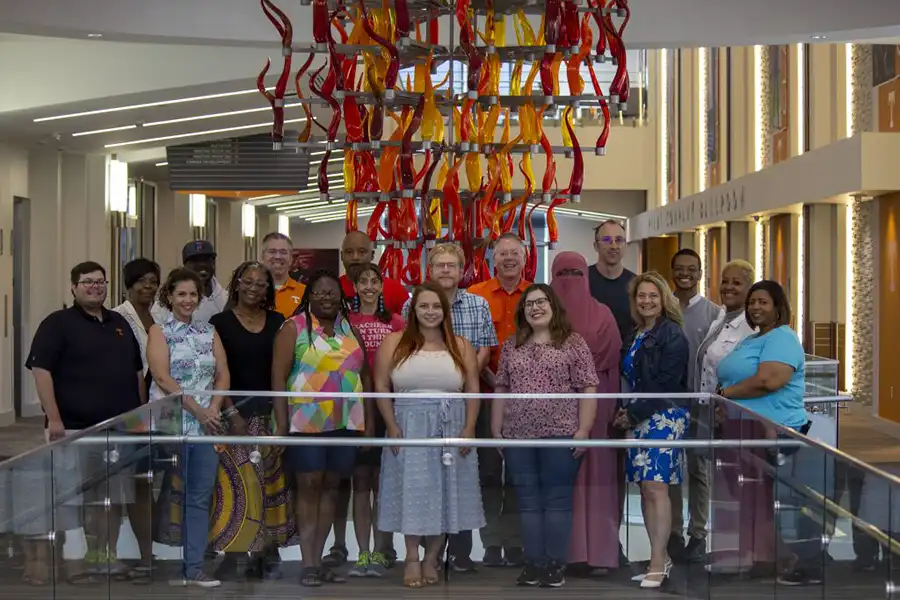
Geographic Mobility Cohort

In July of 2022, the University of Tennessee, Knoxville, hosted a residential summer institute for K-12 educators from across the US, funded by a National Endowment for the Humanities grant (NEH). Participants explored the history of the Civil Rights movement through geographic mobility. The institute highlighted the central role of migration, transportation, and travel and tourism in structural racism and the fight for African American freedom and self-determination.

Participants attended lectures and lab exercises; participated in discussions; and learned methodologies and classroom activities from curriculum and content specialists. They also took field trips around Knoxville, Nashville, and Memphis as part of the institute’s commitment to place-based education.

Derek Alderman
Dr. Alderman

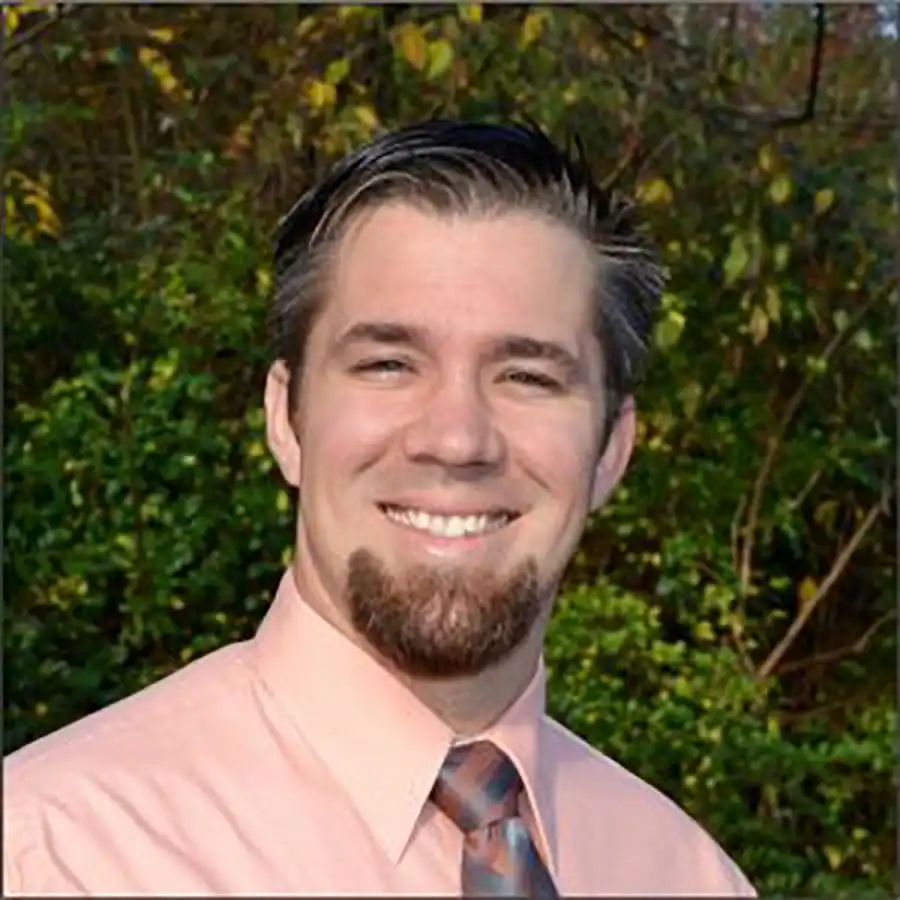
“Through the institute, we offered a model of critical thought, instruction, and pedagogical application that supports ongoing calls for greater numbers of social studies educators to address power and inequity,” said Derek Alderman, professor of geography.

Alderman and colleague Joshua Kenna, associate professor of social science education in the UT College of Education, Health, and Human Sciences, received nearly $200,000 in funding to host the institute from the National Endowment for the Humanities “A More Perfect Union” initiative, which aims to promote a deeper understanding of American history and culture.

Headshot photo of Joshua Kenna
Joshua Kenna

“In addition to having a well-rounded curriculum that utilizes several experts from the field and provides experiential learning opportunities, we’re also proud of our strong emphasis on building and fostering relationships with teachers,” Kenna said. “The goal is not achieved when they acquire the content, it is only achieved when we help them grapple with and overcome pedagogical and logistical hurdles so that they can teach this content in their classrooms.”

Workshops featured guest lectures and hands-on lessons from experts on geographic mobility, race and racism, oral history, digital mapping and the humanities, and pedagogy. The institute culminated with participating teachers developing and presenting curriculum projects and ideas for teaching about the role of migration, transportation, travel and tourism within the Black civil rights experience.

“Our hosting of this summer institute in Knoxville received high marks from participating teachers and NEH program directors. It further cements the University of Tennessee’s reputation as a national leader in teacher training and creating important synergies between the teaching of history, geography, and social justice,” Alderman said. “The university welcomed a brilliant group of K-12 teachers, many of whom are educators of color. They significantly advanced discussions of diversity and inclusion on our campus and taught many of the institute’s staff important lessons about the struggles currently facing the nation’s teachers.”  

Read more about the UT initiative, Geographic Mobility in the African American Freedom Struggle, and the NEH grant award that supported this important work in the Department of Geography and Sustainability and the Department of Theory and Practice in Teacher Education at UT.

Filed Under: Department News, Featured News, Human Geography

Headshot photo

Geography Student Morgan Steckler’s summer internship with Maxar

August 5, 2022

Geography Student Morgan Steckler’s summer internship with Maxar

Morgan Steckler

This summer, our Geography MS Student Morgan Steckler is working with Maxar as an intern. Maxar is a space technology company headquartered in Westminster, Colorado, United States, specializing in manufacturing communication, Earth observation, radar, and on-orbit servicing satellites, satellite products, and related services. 

Maxar Logo

Here is what Morgan shared with us:

“This summer, I worked remotely for Maxar Technologies as a data science intern on the Kestrel team. I analyzed maritime vessel loitering behaviors through independent research and scripted processing of remotely sensed data. This internship greatly improved my understanding and appreciation of the private space and intelligence industry, efficient and effective teamwork, and the colorful role of a data scientist.” 

Reference: ESRI Living Atlas app for US Vessel Traffic.

Filed Under: Department News, Featured News, GIST, Human Geography, Physical Geography, Sustainability

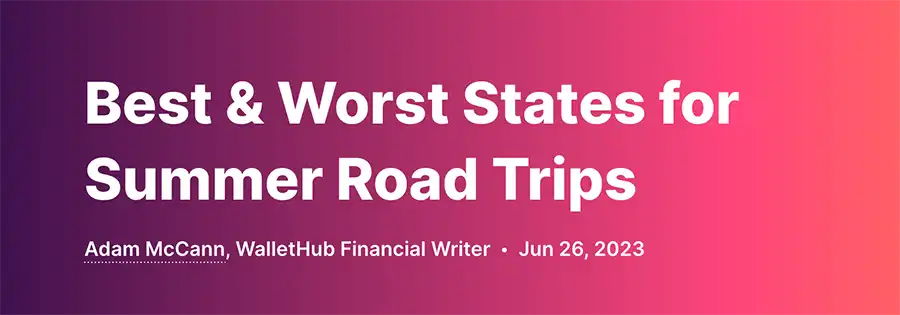
Best and Worst States for Summer Road Trips, Adam McCann, screen shot

Dr. Derek Alderman featured on WalletHub

June 22, 2022

Dr. Derek Alderman featured on WalletHub

Derek Alderman
Dr. Alderman

Dr. Derek Alderman was featured in WalletHub’s recent study – 2022’s Best & Worst States for Summer Road Trips.

Here are Dr. Alderman’s advice on summer road trips:

I would encourage and expect to see many American travelers taking summer road trips to historical sites and park areas that allow the public to explore the history of the civil rights struggles of the United States.

As more states pass laws that seriously limit discussions of racism and inequality in America’s schools, it will be important for families to identify and explore road trips that help children and parents explore these lessons and think about their relevance for understanding the country today.

Destinations such as Equal Justice Institute’s National Memorial for Peace and Justice, the nation’s first memorial to the victims of racial terror lynching, are one of these important must-sees.

Filed Under: Department News, Human Geography

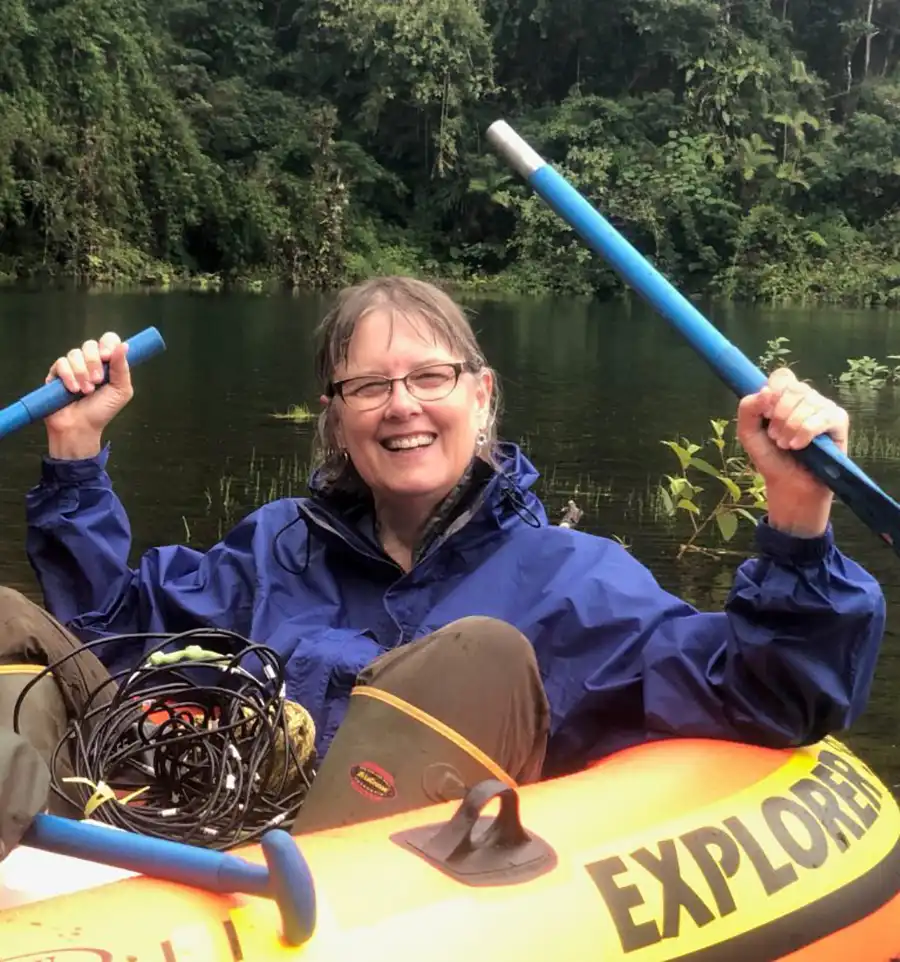
Sally Horn exploring a lake in Costa Rica

Horn Receives Honor from AAG

June 13, 2022

Horn Receives Honor from AAG

Sally Horn exploring a lake in Costa Rica

Sally Horn, professor in the UT Department of Geographers, was honored for her service and achievements for the American Association of Geographers (AAG) during the 2022 meeting of AAG. Horn is being honored for her significant contributions in the area of paleoenvironmental change research in underexplored neotropical regions. 

“The time period I study is mainly before the time of written records, and I find it fascinating to discover the unwritten history of our planet that is preserved in sediments, soils, and materials that we can consider ‘natural archives’ of environmental change,” Horn said. 

Horn’s research focus is Quaternary environments, biogeography, prehistoric impacts on the environment, fire history and ecology. 

The AAG states, “Sally Horn is recognized for her many contributions to biogeography and paleogeography as well as mentoring of students and teaching.” 

Receiving this award confirms Professor Horn’s outstanding contribution to her field of research. As she continues to unravel prehistoric evidence, she hopes to help make a positive impact on modern human society.

–Story by Leah Carter

Filed Under: Department News, Physical Geography

Headshot photo

Wu Receives Honorable Mention for Work in Scientific Software

June 13, 2022

Wu Receives Honorable Mention for Work in Scientific Software

Qiusheng Wu

Qiusheng Wu, a UT geography professor, received an Honorable Mention from the 2022 Better Scientific Software Fellowship for his work in high-quality scientific software. 

“My research focuses on geospatial data science and open-source software development,” Wu said. “I have developed several open-source packages and various educational materials on geospatial data science and software development.”

Wu’s research focus is information science within the field of geography. He studies various computing systems such as the Google Earth Engine in order to analyze environmental effects and ecological advances. 

“We’re especially proud in geography, because these awards only ever go to computer scientists and engineers,” said Nicholas Nagle, professor and head of the geography department. 

Wu plans to continue his research towards his goal of making “geospatial technologies and cloud computing more accessible to the scientific community by lowering the barrier to analyzing and visualizing geospatial big data.”

Qiusheng Wu hopes to benefit UT students and researchers in the scientific community by making these resources easier to access. 

“Research makes a difference,” Wu said. “I have been developing open-source packages that make it much easier to use open-access satellite data and cloud computing. Seeing my students at UT and people all over the world benefiting from work is rewarding.”

–Story by Leah Carter

Filed Under: Department News, GIST

Headshot photo

Congrats to Kelly Baar for new position with Roadway Asset Services

June 9, 2022

Congrats to Kelly Baar for new position with Roadway Asset Services

Tim Kane
Tim Kane

For not being a geography major, Tim Kane (MS Forestry 2021 and BS Wildlife and Fishers 2017) spent a lot of time in the Burchfiel Geography Building working closely with geospatial faculty like Dr. Bruce Ralston. Tim currently works as a GIS Specialist with Roadway Asset Services here in the Knoxville area. When Tim’s company was looking to hire additional staff, he found exactly what he was looking for in Kelly Baar (BA Geography 2019). Here’s what Tim had to say about Kelly and her experience in the UTK Geography Department:

“Kelly has been an asset by providing training to our partners on how to best utilize the Road TRIP software RAS has created for assessing roadway pavement conditions. This training allows us to better utilize the resources we have available and leverage our positions to maintain high data output and better service to our clients.

Kelly Baar
Kelly Baar

I believe that many of the skills expressed in our day to day work were acquired through the geography department at UT. From the hard skills like fluency in multiple GIS environments, to the soft skills of presentation and networking. I believe that geography, more than many other disciplines, gives the user an unparalleled understanding of the world and how multiple disciplines fit together to solve much larger problems. It’s a breeding ground for multidisciplinary studies bringing together spatial understanding and physical assets for greater understanding at large. In this instance, it’s the combination of city planning, pavement engineering, geographic processing, machine learning, and statistical analysis that allow us to deliver actionable products to our clients that will go on to provide residents with a better experience, overall. We are all aware of where the worst roads are on our communities. We’d like for those roads to become almost invisible.”

And here’s what Kelly had to say about how utilizing the department alumni network has helped her be successful in her new position:

“Working as a GIS Specialist at RAS has been a great opportunity that I have my network in the UTK Geography department to thank. Starting a new job can be difficult, but I believe gaining this position through my network enabled a seamless transition. Having an instant commonality allowed for more and faster learning opportunities as I was more comfortable and able to ask questions and learn from the beginning. In this role, I have been able to put the technical skills learned at UT to real world applications to meet clients’ needs. I am now able to learn about an industry and application of GIS that I didn’t even know existed, and network with some of the most experienced and knowledgeable engineers in the Pavement and Asset Management world!


The UTK Geography Department is thankful for the ongoing support of our alum and friends who help our students and graduates find career opportunities.

RAS logo


Filed Under: Alumni News, Department News, GIST, Uncategorized

  • « Previous Page
  • 1
  • …
  • 4
  • 5
  • 6
  • 7
  • 8
  • …
  • 11
  • Next Page »

Recent Posts

  • Place‑name politics: Why outrage alone won’t erase Trump’s name
  • Research Shows Disparity in Indian Healthcare Access
  • Hurricanes devastated Florida’s East Coast – then seagrass made an unexpected comeback
  • As renaissance fairs become big business, can they retain their counterculture roots?
  • The Department of Geography and Sustainability is pleased to announce the S. David Freeman Sustainability Scholarship, applications now open!

Recent Comments

No comments to show.
an illustration of geographers engaged in research surrounding a globe

Geographers Engage With The World

Request More Information

Support The Department

Department of Geography and Sustainability

College of Arts and Sciences

Burchfiel Geography Building
1000 Phillip Fulmer Way
Room 304
Knoxville, TN 37996-0925
865-974-2418
utkgeog@utk.edu


Facebook Icon    X Icon    Instagram Icon    YouTube Icon

The University of Tennessee, Knoxville
Knoxville, Tennessee 37996
865-974-1000

The flagship campus of the University of Tennessee System and partner in the Tennessee Transfer Pathway.

ADA Privacy Safety Title IX