• Request Info
  • Visit
  • Apply
  • Give
  • Request More Info
  • Visit
  • Apply
  • Give

Search

A-Z Index Map

Geography and Sustainability

  • About
    • Facilities
    • Alumni
    • Research & Community Partners
    • Geographic Links
  • Areas of Study
    • Physical Geography
    • GIST
    • Human Geography
    • Sustainability
  • People
    • Faculty
    • Staff
    • Graduate Students
    • Adjunct & Affliated Faculty
    • Alumni
    • Emeritus
  • Undergraduate
    • Where Can a Geography Degree Take You?
    • Majors
    • Minors
    • Certificates
    • Advising
    • Forms
    • Apply
  • Graduate
    • MS Program
    • PhD Program
    • Apply
    • Graduate Handbook
    • Forms
  • Student Engagement
    • Clubs
    • Community Engagement
    • Awards
    • Internship and Employment
    • Study Abroad
  • News & Events
    • Statements
    • Share Your News
    • Newsletters
    • News
    • Events
    • Geography Awareness Week
    • GeoSym
topography background

News

Department News

Headshot photo

Professor Emerita Dr. Carol Harden received AAG Lifetime Achievement Award

April 12, 2021

Professor Emerita Dr. Carol Harden received AAG Lifetime Achievement Award

Source: http://news.aag.org/2020/12/2021-aag-honors
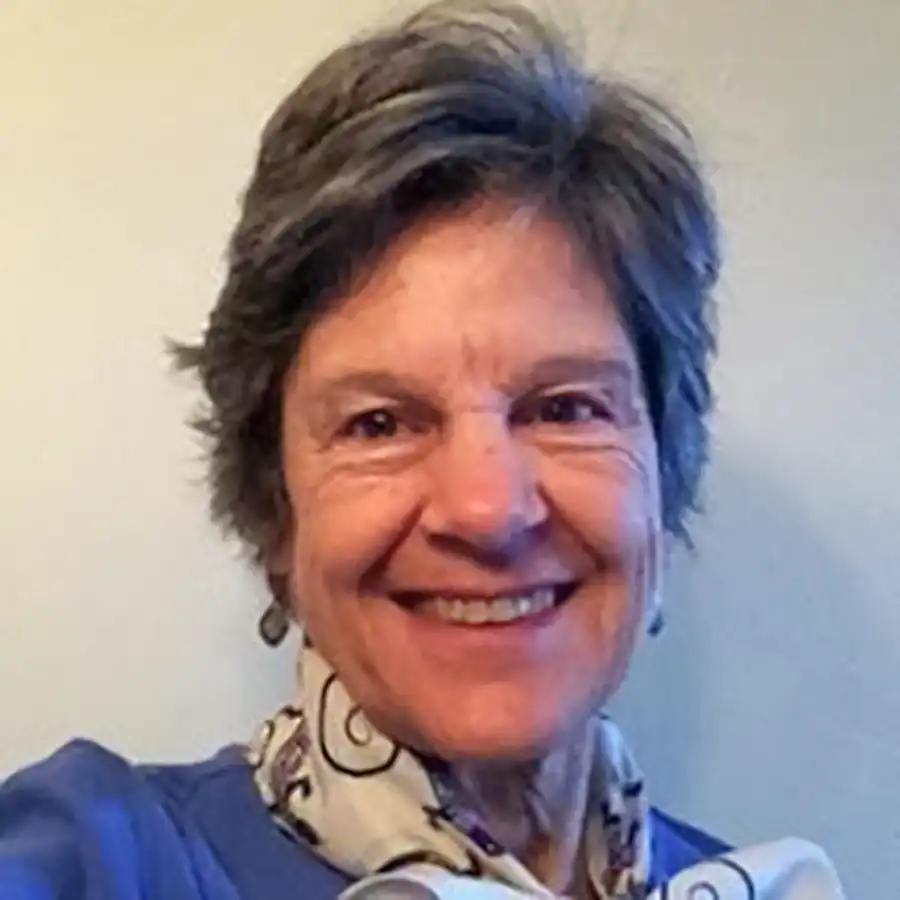
Dr. Carol Harden

Dr. Carol Harden, the 2021 recipient of the AAG’s Lifetime Achievement Honors, is the quintessential field scientist, professional association leader, and effective science communicator. She has been at the forefront of advancing geography’s role in the natural sciences, whether in the AAG, National Research Council, National Geographic Society, or National Science Foundation. Over a half-century career, Harden has established herself as one of the leading figures in contemporary physical geography and environmental science. More broadly, she has had a tremendous influence across our entire discipline, owing to the many roles she has played at the University of Tennessee, AAG, National Research Council, and National Geographic Society, and as editor of Physical Geography.

Since the 1980s, Harden has done fieldwork in the Andes, including a year on a Fulbright to Ecuador. Her commitment to international fieldwork and diversity in geography and other field disciplines and her encyclopedic knowledge of physical geography allows her to evaluate critically, and advocate for support of, fieldwork, especially by diverse scholars from around the world. In addition to her Latin American research, she has generated a substantial body of research in the U.S., mainly in Appalachia, on soil erosion, watershed hydrology, water quality, and human impacts.

Harden is currently the Chair of the Geographical Sciences Committee and a Member of the Board on Earth Sciences and Resources, both for the National Academies of Science, Engineering, and Medicine (NASEM). She was recently a member of the prestigious and influential Committee on Research and Exploration of the National Geographic Society. She has also served as a member and Chair of the Nominations Committee, Geology, and Geology Section, American Association for the Advancement of Science (AAAS). Harden was a member (2017) and then Chair (2016-2020) of the Geographical Sciences Committee (GSC-NASEM). In 2010-2012, Harden served first as Vice President and then as President of the American Association of Geographers. She is a compassionate listener and a fair-minded leader. Harden is a mentor with an impact on cultivating new and early-career disciplinary leaders. She does this with a clear vision of geography’s role in science, higher education, and society, allowing her to see and realize new opportunities and build new initiatives. A strong sense of collegiality and caring has allowed her to engage in constructive and productive dialog across several disciplinary divides. For these qualities and achievements, the AAG recognizes Carol Harden as the 2021 recipient of the AAG Lifetime Achievement Honors.
Filed Under: Department News, Physical Geography

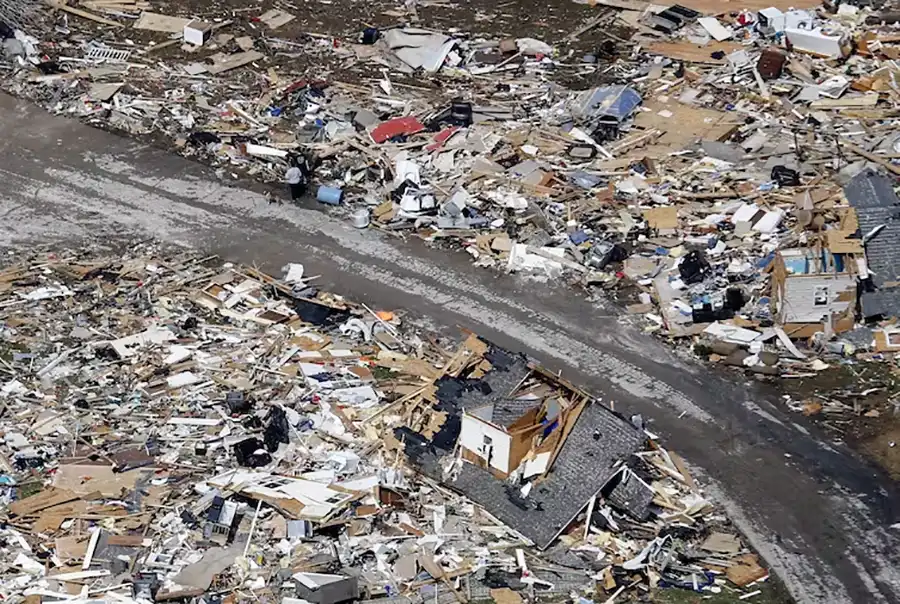
Debris near Lebanon, Tennessee, after tornadoes struck on the night of March 3, 2020, killing more than 20 people across the state. AP Photo/Mark Humphrey

Wild weather: 4 essential reads about tornadoes and thunderstorms

March 22, 2021

Debris near Lebanon, Tennessee, after tornadoes struck on the night of March 3, 2020, killing more than 20 people across the state. AP Photo/Mark Humphrey
Debris near Lebanon, Tennessee, after tornadoes struck on the night of March 3, 2020, killing more than 20 people across the state. AP Photo/Mark Humphrey

Jennifer Weeks, The Conversation

Springtime in the U.S. is frequently a season for thunderstorms, which can spawn tornadoes. These large storms are common in the South and Southeast in March and April, then shift toward the Plains states in May. Scientists have warned that 2021 could be an active tornado year, partly because of a La Niña climate pattern in the tropical Pacific Ocean. Past research has suggested that La Niña increases the frequency of tornadoes and hail by concentrating hot, humid air over Texas and other Southern states, which helps to promote storm formation.

These four articles from The Conversation’s archives explain how tornadoes form, why night tornadoes are more deadly, and how in rare cases thunderstorms can take a different but equally destructive form – a derecho. We also look at a neglected aspect of disaster response: disposing of massive quantities of waste.

1. How thunderstorms generate tornadoes

Most tornadoes are spawned by large, intense thunderstorms called supercell thunderstorms. The key ingredients are rising air that rotates, and wind shear – winds at different altitudes blowing at different speeds, and/or from different directions.

Forecasters can’t always predict when or where a tornado may form, but they are very good at identifying the conditions that have the potential to support strong tornadoes. As Penn State university meteorologists Paul Markowski and Yvette Richardson explain,

“The National Weather Service’s Storm Prediction Center routinely predicts large outbreaks days in advance. ‘High-risk’ outlooks capture most major tornado events, and strong tornadoes rarely occur outside of tornado watches. We have less ability to forecast tornadoes in more marginal situations, such as within non-supercell storms.”

2. A special risk in the South: Night tornadoes

Tornado strikes are bad news at any time, but especially when they occur at night. Night tornadoes are more than twice as likely to be fatal as daytime twisters, for several reasons: They are harder for storm spotters to see, people may sleep through alerts, and victims are more likely to be in vulnerable structures such as mobile homes at night.

Night tornadoes are more common in the South because of regional atmospheric conditions there. University of Tennessee geographer Kelsey Ellis and Middle Tennessee State University geoscientist Alisa Hass write that communication challenges are a serious problem in their state, where nearly half of tornadoes strike at night.

“Experts in Tennessee recommend having multiple methods for receiving warnings at night,” they note. “This strategy allows for backup options when power goes out, cellphones go down or other unforeseen circumstances occur.”

WILD WEATHER

4 essential reads about tornadoes and thunderstorms

What causes some supercell thunderstorms to become tornadoes?

3. Derechos: Storms without spin

In rare instances, weather systems can generate organized lines of thunderstorms called derechos, from the Spanish word for “straight ahead.” For a storm to qualify as a derecho, it has to produce winds of 57.5 mph (26 meters per second) or greater. And those intense winds must extend over a path at least 250 miles (400 kilometers) long, with no more than three hours separating individual severe wind reports.

Most areas of the Central and eastern U.S. may experience a derecho once or twice a year on average. They occur mainly from April through August, but they can also occur earlier in spring or later in fall. And they can inflict heavy damage. A derecho that swept across the Midwest in August 2020 generated over US$7.5 billion in damages – the nation’s most costly thunderstorm.

Derechos can be even harder to predict than tornadoes, and once they form, they can move very fast. As Colorado State University atmospheric scientist Russ Schumacher warns,

“Communities, first responders and utilities may have only a few hours to prepare for an oncoming derecho, so it is important to know how to receive severe thunderstorm warnings, such as TV, radio and smartphone alerts, and to take these warnings seriously. Tornadoes and tornado warnings often get the most attention, but lines of severe thunderstorms can also pack a major punch.”

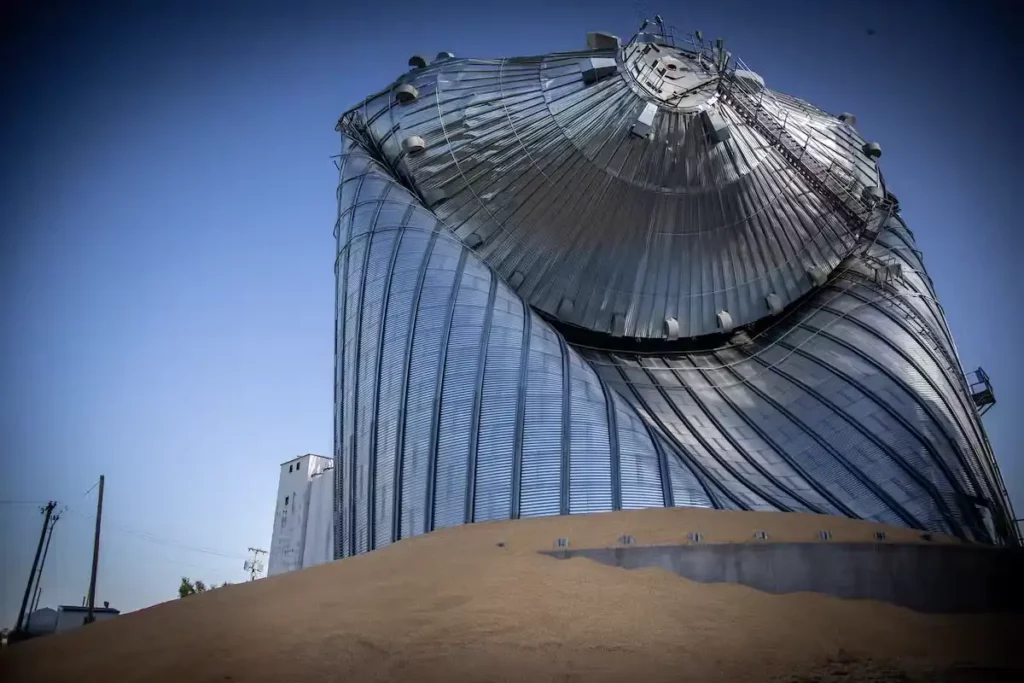
An August 2020 derecho crumpled this grain storage tower in Martelle, Iowa. Phil Roeder/Flickr, CC BY
An August 2020 derecho crumpled this grain storage tower in Martelle, Iowa. Phil Roeder/Flickr, CC BY

4. Cleaning up after storms

Tornadoes and other natural disasters often leave huge quantities of debris behind – uprooted trees, splintered buildings, smashed cars and more. It can take communities months or even years to clean up, and the process typically is slow, expensive and dangerous.

Sybil Derrible of the University of Illinois–Chicago, Juyeong Choi of Florida State University and Nazli Yesiller of California Polytechnic State University study urban engineering, disaster management and planning, and waste management. They see a need for new technologies and strategies that officials can use to figure out what materials storm debris contains and find options for separating, reusing and recycling it.

“For example, drones and autonomous sensing technologies can be combined with artificial intelligence to estimate amounts and quality of debris, the types of materials it contains and how it can be repurposed rapidly. Technologies that allow for fast sorting and separation of mixed materials can also speed up debris management operations,” they write.

“Turning the problem around, creating new sustainable construction materials – especially in disaster-prone areas – will make it easier to repurpose debris after disasters.”

Editor’s note: This story is a roundup of articles from The Conversation’s archives.

[Get the best of The Conversation, every weekend. Sign up for our weekly newsletter.]

Jennifer Weeks, Senior Environment + Energy Editor, The Conversation

This article is republished from The Conversation under a Creative Commons license. Read the original article.

Filed Under: Department News, Featured News, Physical Geography

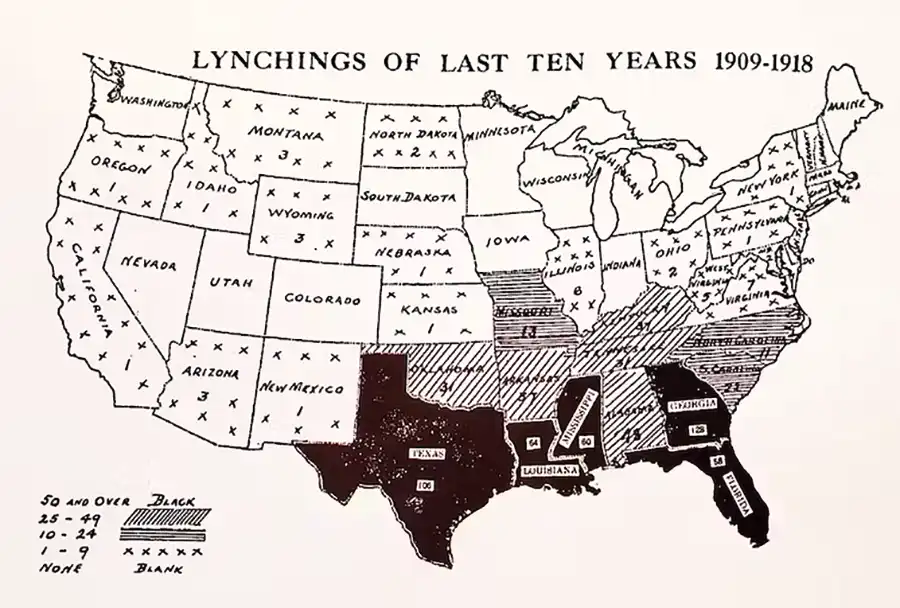
An image of a map of the US entitled "Lynchings of Last Ten Years 1909-1918"

How Black cartographers put racism on the map of America

February 23, 2021

How Black cartographers put racism on the map of America

Derek H. Alderman, University of Tennessee and Joshua F.J. Inwood, Penn State

An image of a map of the US entitled "Lynchings of Last Ten Years 1909-1918"
An early 20th-century NAACP map showing lynchings between 1909 and 1918. The maps were sent to politicians and newspapers in an effort to spur legislation protecting Black Americans. Library of Congress

How can maps fight racism and inequality?

The work of the Black Panther Party, a 1960s- and 1970s-era Black political group featured in a new movie and a documentary, helps illustrate how cartography – the practice of making and using maps – can illuminate injustice.

As these films show, the Black Panthers focused on African American empowerment and community survival, running a diverse array of programming that ranged from free school breakfasts to armed self-defense.

Cartography is a less documented aspect of the Panthers’ activism, but the group used maps to reimagine the cities where African Americans lived and struggled.

In 1971 the Panthers collected 15,000 signatures on a petition to create new police districts in Berkeley, California – districts that would be governed by local citizen commissions and require officers to live in the neighborhoods they served. The proposal made it onto the ballot but was defeated.

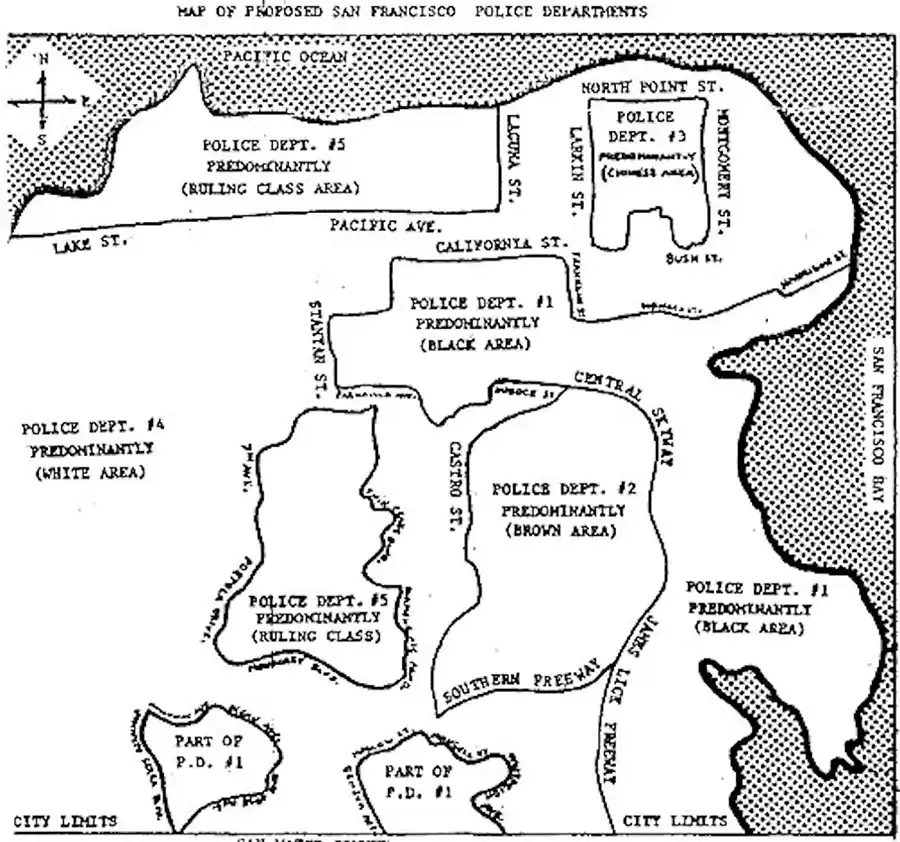
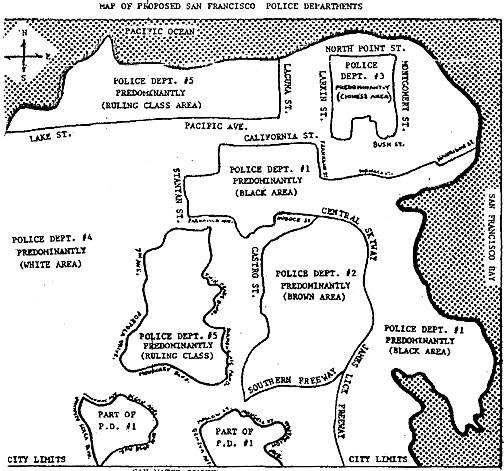
In a similar effort to make law enforcement more responsive to communities of color, the Panthers in the late 1960s also created a map proposing to divide up police districts within San Francisco, largely along racial lines.

A map illustrating inequality in police districting in San Francisco in the 1960s.
The Black Panthers’ proposed police districts for the city of San Francisco, created in 1966 or 1967. Ccarolson/FoundSF, CC BY-SA

The Black Panthers are just one chapter in a long history of “counter-mapping” by African Americans, which our research in geography explores. Counter-mapping refers to how groups normally excluded from political decision-making deploy maps and other geographic data to communicate complex information about inequality in an easy-to-understand visual format.

The Power of Maps

Maps are not ideologically neutral location guides. Mapmakers choose what to include and exclude, and how to display information to users.

These decisions can have far-reaching consequences. When the Home Owners Loan Corporation in the 1930s set out to map the risk associated for banks loaning money to individuals for homes in different neighborhoods, for example, they rated minority neighborhoods as high risk and color-coded them as red.

The result, known as “redlining,” contributed to housing discrimination for three decades, until federal law banned such maps in 1968. Redlining’s legacy is still evident in many American cities’ patterns of segregation.

Colonial explorers charting their journeys and city planners and developers pursuing urban renewal, too, have used cartography to represent the world in ways that further their own priorities. Often, the resulting maps exclude, misrepresent or harm minority groups. Academics and government officials do this, too.

Counter-maps produce an alternative public understanding of the facts by highlighting the experiences of oppressed people.

Black people aren’t the only marginalized group to do this. Indigenous communities, women, refugees and LGBTQ communities have also redrawn maps to account for their existence and rights.

But Black Americans were among the earliest purveyors of counter-mapping, deploying this alternative cartography to serve a variety of needs a century ago.

Black Counter-Mapping

Mapping is part of the broader Black creative tradition and political struggle.

Over the centuries, African Americans developed “way-finding” aids, including a Jim Crow-era travel guide, to help them navigate a racially hostile landscape and created visual works that affirmed the value of Black life.

The Black sociologist and civil rights leader W.E.B. Du Bois produced maps for the 1900 Paris Exposition to inform international society about the gains African Americans had made in income, education and land ownership since slavery and in face of continuing racism.

Similarly, in 1946, Friendship Press cartographer and illustrator Louise Jefferson published a pictorial map celebrating the contributions of African Americans – from famous writers and athletes to unnamed Black workers – in building the United States.

In the early 20th century, anti-lynching crusaders at the NAACP and Tuskegee Institute stirred public outcry by producing statistical reports that informed original hand-drawn maps showing the location and frequency of African Americans murdered by white lynch mobs.

One map, published in 1922 in the NAACP’s magazine “Crisis,” placed dots on a standard map to document 3,456 lynchings over 32 years. The Southeast had the largest concentration. But the “blots of shame,” as mapmaker Madeline Allison called them, spanned the country from east to west and well into the north.

These visualizations, along with the underlying data, were sent to allied organizations like the citizen-led Commission on Interracial Cooperation, to newspapers nationwide and to elected officials of all parties and regions. The activists hoped to spur Congress to pass federal anti-lynching legislation – something that remains to this day unfinished business.

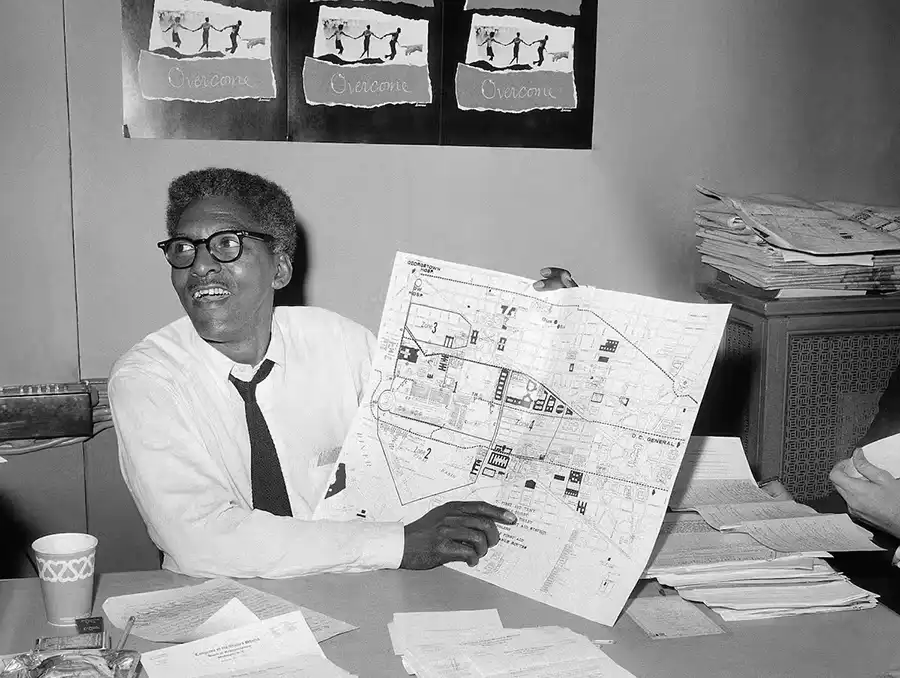
Civil rights activist Bayard Rustin
Civil rights activist Bayard Rustin organizing the 1963 March on Washington, an example of how existing maps can also be used in politically disruptive ways. AP Photo

Much anti-lynching cartography was inspired by the famed activist and reporter Ida B. Wells, who in the early 1880s made some of the first tabulations of the prevalence and geographic distribution of racial terror. Her work refuted prevailing white claims that lynched Black men had sexually assaulted white women.

Modern Maps

The precariousness of Black life – and the exclusion of Black stories from American history – remains an unresolved issue today.

Working alone and with white allies, Black activists and scholars continue using cartography to tell a fuller story about the United States, to challenge racial segregation and to combat violence.

Today, the maps they create are often digital.

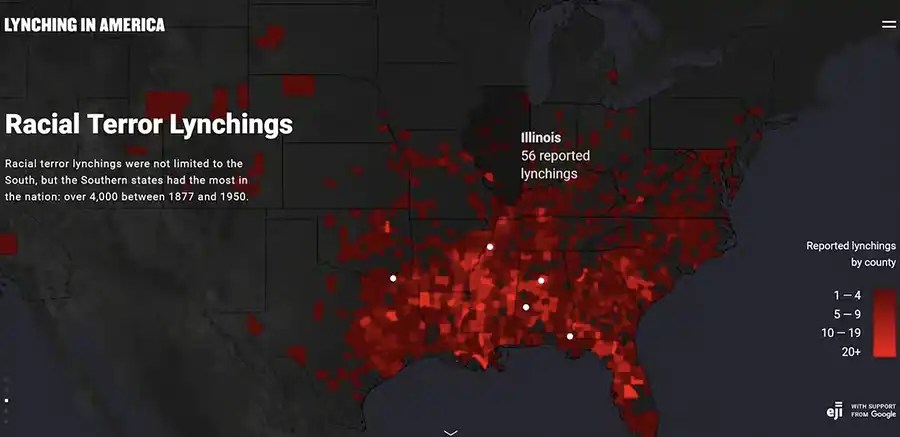
For example, the Equal Justice Initiative, the Alabama-based legal defense group run by Bryan Stevenson, has produced a modern map of historical lynching. It’s an interactive update of the anti-lynching cartography made 100 years ago – although a full reconstruction of lynching terror remains impossible because of incomplete data and the veil of silence that persists around these murders.

A map entitled "Racial Terror Lynchings" depicting lynchings in America between 1877 and 1950.
The Equal Justice Initiative’s map tells stories of people who were lynched. Screenshot, Equal Justice Initiative

Another modern mapping project, called Mapping Police Violence, was launched by data activists after Michael Brown’s murder in Ferguson, Missouri, in 2014. It tracks police use of force using a time-series animated map. Deaths and injuries flash across the screen and accumulate on the map of the United States, visually communicating the national scale and urgency of this problem.

Counter-mapping operates on the theory that communities and governments cannot fix problems that they do not understand. When Black counter-mapping exposes the how-and-where of racism, in accessible visual form, that information gains new power to spur social change.

Derek H. Alderman, Professor of Geography, University of Tennessee and Joshua F.J. Inwood, Associate Professor of Geography and Senior Research Associate in the Rock Ethics Institute, Penn State

This article is republished from The Conversation under a Creative Commons license. Read the original article.

A relevant article: How the Home Appraisal Gap Negatively Affects Black Homeowners

Filed Under: Department News, Human Geography

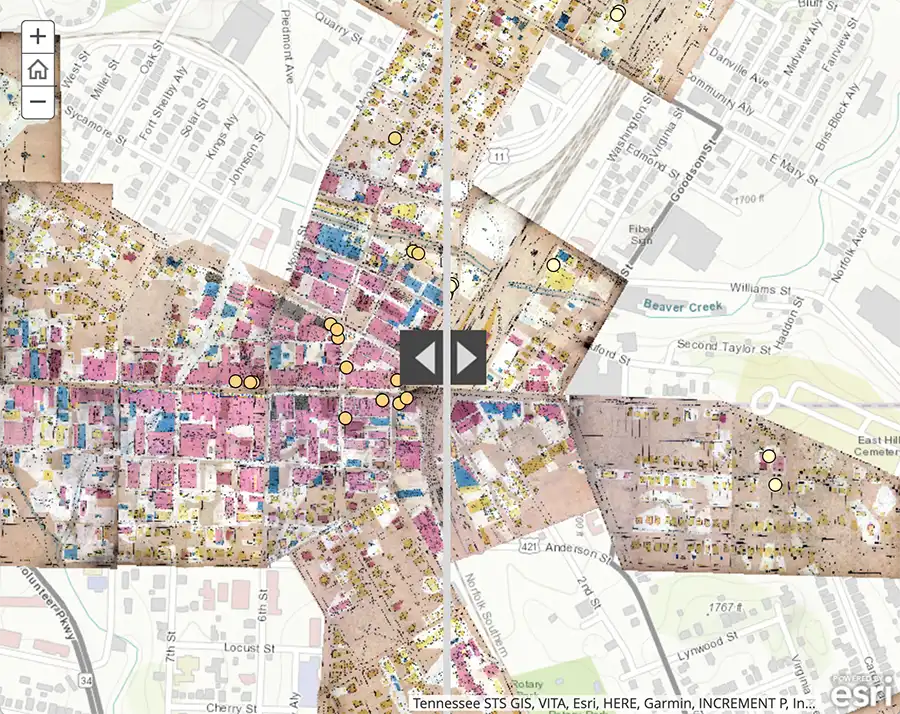
Black owned businesses in the Knoxville area from 1896-1936

February 23, 2021

Black owned businesses in the Knoxville area from 1896-1936

Devyn Kelly’s Storymap

Alumnus from UTK’s Geography Department Devyn Kelly recently completed a time lapse story map depicting the differing rates and dispersal of Black owned businesses in the Bristol, VA area from 1896-1936. This work was done for the Black in Appalachia Project to depict the historic and vibrant community of Black business in Bristol.

Her work is viewable here: https://tga.maps.arcgis.com/apps/StorytellingSwipe/index.html?appid=52e5c1e73b3c45c0ae712ec5d1fdc0bf

This map from the Black in Appalachia website, viewable here: https://t.co/XpiF7FpeXD?amp=1

Filed Under: Alumni News, Department News, Human Geography

Dr. Tran

Tran Receives Faculty Academic Outreach Research Award

February 4, 2021

Tran Receives Faculty Academic Outreach Research Award

Dr. Tran
Dr. Tran

Each year, Dean Theresa Lee and members of her cabinet, with help from department heads, recognize faculty in the College of Arts and Sciences for their excellence in teaching, research and creative activity, and lifetime achievements. 

Due to the ongoing pandemic, however, we were unable to host the annual awards banquet in-person. Each faculty member received a plaque and congratulations from the dean. We posted a video to the college YouTube channel here, which features each faculty award winner.

Liem Tran, professor of geography, received a Faculty Academic Outreach Research Award from the College of Arts and Sciences. The award recognizes extraordinary contributions of faculty to the public that occur as an outgrowth of academic pursuits and are related to the university’s academic mission. It recognizes faculty whose research and creative activities advance knowledge through the pursuit of their scholarly interests while simultaneously addressing community problems and issues and benefiting the scholar, the discipline, the university, and society. 

Tran conducts research built on creating strategic collaborative networks with government agencies, major research labs, and other community stakeholders and leveraging innovative geospatial analysis. A number of Tran’s measures and spatial models are widely used by the EPA across the US. Recently, he has collaborated with the EPA to develop the EnviroAtlas, an interactive web-based platform used by states, communities, and citizens that provides geospatial data, easy-to-use tools, and other resources related to ecosystem services, their chemical and nonchemical stressors, and human health. Tran has used his expertise in geospatial analysis to develop a series transmission models posted on the Tennessee State Data Center’s COVID-19 dashboard that estimates coronavirus reproduction rates and hotspots in the state. 

Tran is also actively involved in meaningful public communication of science. For example, he has interacted with media to explain the metrics to measure the spread of COVID-19 and authored a policy brief in partnership with the Baker Center to educate the public on COVID-19 modeling and forecasts. Well before engaging in important research outreach to COVID-19, Tran had begun focusing state of the art geospatial technologies, including Geographic Information Systems (GIS) and web-based applications, to combat the opioid crisis. 

“The award is very important not only to myself, but also to my students and colleagues who have been working diligently alongside with me in various research outreach activities,” Tran said. “It shows the commitment of faculty and students in the geography department to serve the great state of Tennessee and its people, especially during this difficult time due to the COVID-19 pandemic.”

Filed Under: Department News, GIST, Physical Geography, Sustainability

Derek Alderman

Alderman Receives 2020 Lorayne W. Lester Award

February 4, 2021

Alderman Receives 2020 Lorayne W. Lester Award

Derek Alderman

Each year, Dean Theresa Lee and members of her cabinet, with help from department heads, recognize faculty in the College of Arts and Sciences for their excellence in teaching, research and creative activity, and lifetime achievements. 

Due to the ongoing pandemic, however, we were unable to host the annual awards banquet in-person. Each faculty member received a plaque and congratulations from the dean. We posted a video to the college YouTube channel here, which features each faculty award winner. 

Derek Alderman, professor and interim head of the Department of Geography, received the Lorayne W. Lester Award, which recognizes a faculty member or exempt staff member who has demonstrated outstanding service through research, outreach, and/or administrative, teaching, or advising services to the college, the state, our local community, or beyond. 

Alderman joined the geography department in 2012 as head and worked hard to advertise and modernize the curriculum for undergraduates, which allowed the department to increase in size dramatically. During his five years as head, he also worked successfully to diversify the faculty and student population. During these years he was also elected president of the American Association of Geographers, after successfully serving as a chair of the association’s publications committee, the regional southeast councilor, and president of the southeast region. 

Alderman’s research brings him many opportunities to inform the public about issues related to American Civil Rights movement and southern culture more broadly. Much of his work focuses on the histories, memory-work, commemorative activism, and place-making efforts of African Americans as they assert and claim civil rights, their right to belong with public spaces, and the power to remember the past and shape the American landscape on their own terms. In particular, his interests focus on critical place name studies and using cultural struggles over the naming and renaming of streets, schools, parks, and other public spaces as important lens for understanding the unresolved place of race, memory, and identity in America. 

“I am grateful and humbled to receive the Lorayne Lester award from our college, which is filled with many inspiring servant-leaders,” Alderman said. “Since coming to UT in 2012, I have been fortunate to have the opportunity to work with others to grow and maintain departmental health, advocate for national professional organizations, and engage in public outreach and partnership building. Service, for me, is about being responsive to the needs and well-being of other people—to think and act beyond oneself. More than simply a category of annual evaluation, service is the lifeblood of the university and key to the ethics of care we owe to ourselves and wider communities.”

He is a devoted scholar-teacher who enjoys working and publishing with students, both at the undergraduate and graduate levels. He is also committed to conducting critical public scholarship that engages, informs, and helps the news media, government officials, community activists and organizations, and the broader citizenry. Most recently, Alderman has been involved in three major research efforts funded by NSF that involved researchers from universities across the country collecting and analyzing data related to the struggle for freedom from several different perspectives. He continues to serve beyond expectations by agreeing to step back into the role of interim head for geography this year when there was a last minute change within the unit leadership.

Filed Under: Department News, Human Geography

David Leventhal

Former Geography Student Thrives As Educator With Help from Student Emergency Fund

January 8, 2021

Former Geography Student Thrives As Educator With Help from Student Emergency Fund

Source: https://news.utk.edu/2020/12/14/with-help-from-student-emergency-fund-graduate-thrives-as-educator

David Leventhal

For David Leventhal, the coronavirus pandemic hit during an already challenging time. A nontraditional student, Leventhal returned to the University of Tennessee, Knoxville, to pursue a master’s degree in secondary education and teaching during midlife with a young child to support and a mortgage to pay.

Completing his master’s degree meant spending an entire year as an unpaid intern teaching at Gresham Middle School and Maryville High School. He applied for mortgage forbearance during that time, expecting to graduate with an offer of employment. However, the educational sector was completely upended when COVID-19 hit, and Leventhal’s prospects disappeared. 

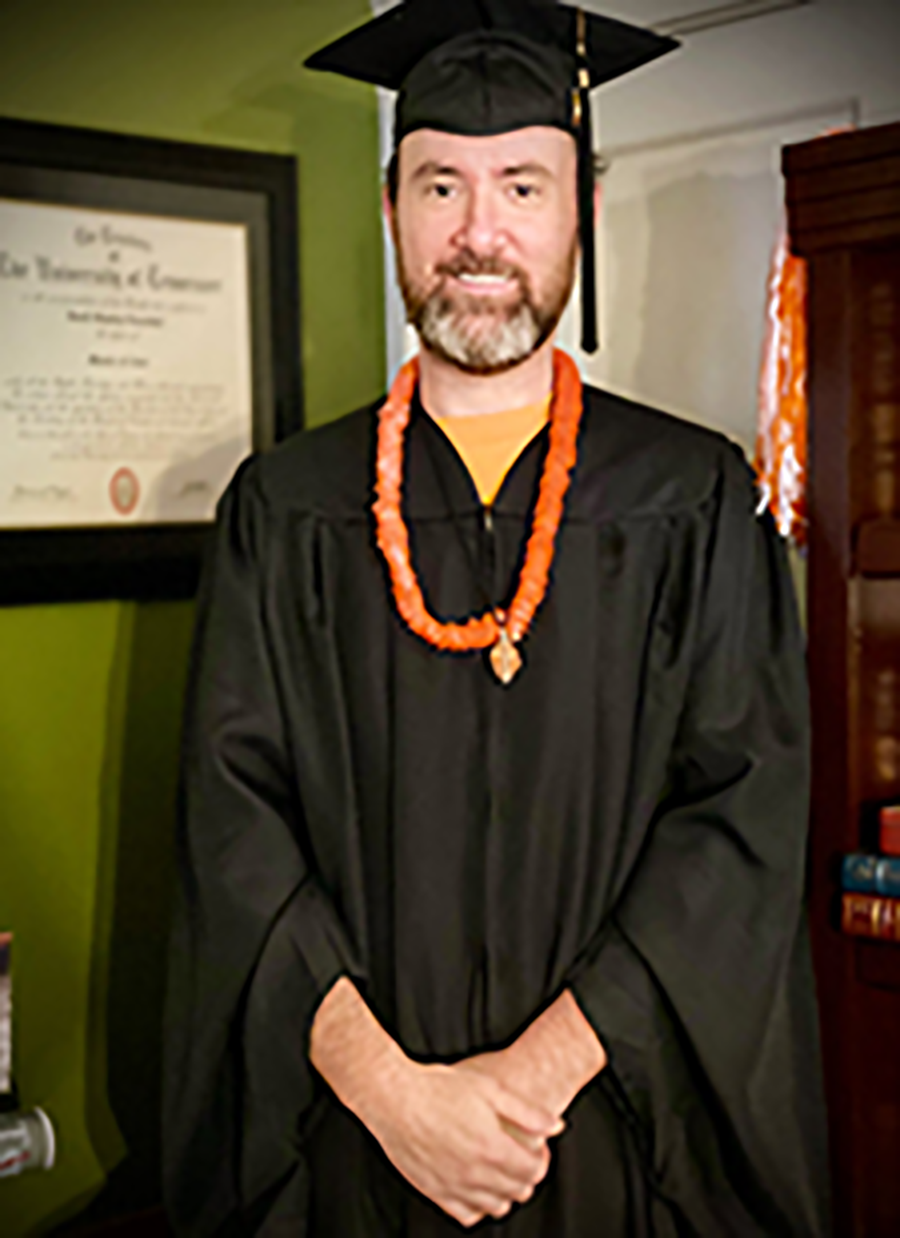
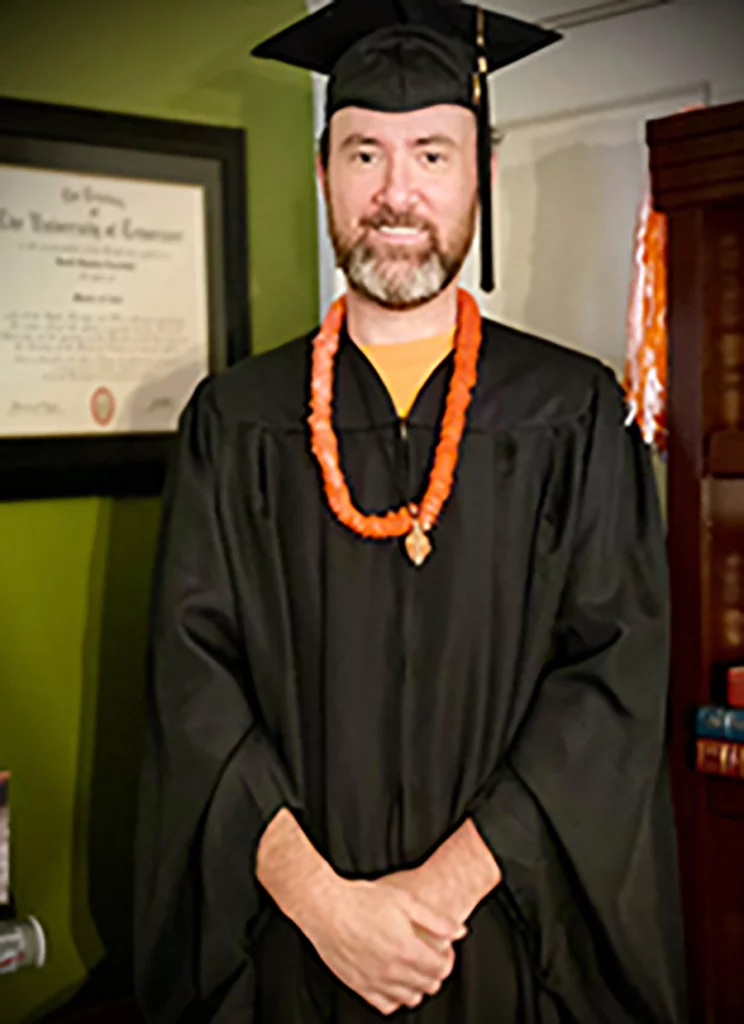
David Leventhal in graduation regalia stands next to his framed Master of Secondary Education degree.

At that point, UT’s Student Emergency Fund and Center for Career Development and Academic Exploration helped him navigate the situation to reach a positive outcome. He has since graduated, found full-time employment, and caught up with his mortgage.

“I really can’t underestimate how helpful and timely the emergency funding was, as well as the career development center,” Leventhal said. “The opportunities that I got were amazing. As disappointing and troubling as 2020 has been, it never ceases to amaze me how something good will happen that just keeps me going.”

Today Leventhal is a full-time social studies teacher with Tennessee Connections Academy, an entirely online public school available to students in Tennessee. His pay and benefits are on par with what he would earn in a brick-and-mortar school, and he’s able to teach from Knoxville. That is crucial for Leventhal because his daughter and her mother live locally.

Leventhal’s path to his current role has taken a number of turns. Originally from Atlanta, he completed his undergraduate degree in philosophy and religious studies at Appalachian State University in 2001. He came to UT and completed a master’s degree in history in 2007. After graduation, he operated a restaurant marketing and delivery business for five years before moving into the information technology sector. He’s also been a banjo and ukulele instructor and taught college-level history.

Now, as a high school teacher, Leventhal wants to bring all of those skills to bear in his social studies instruction. When he was a history student he spent time learning geographic information systems (GIS) because, he said, “as a history teacher, you can’t ignore geography. Everything happens at a time and place.”

GIS can be extremely versatile and allow for data to be overlayed onto maps. One project Leventhal worked on at UT involved correlating a dataset of blighted potato harvests and grain exports during the Irish Potato Famine with statistics on emigration to the United States.

“It was very clear the hardest-hit counties were in the western part of Ireland, and that’s where people emigrated from,” Leventhal said. “When you factor in the folk music and stringed instruments, a picture starts to emerge that connects to our life today.”

Leventhal would like to start a geography club at his school and potentially a GIS club. He wants the subject matter to be relevant to his students. With a bright future as an educator ahead of him, Leventhal reflects positively on the good fortune he has enjoyed during an extremely complicated time.

“My new work with a K–12 virtual public education academy has shown me how to grow as an educator and build my resume while also earning the same compensation as my brick-and-mortar colleagues,” Leventhal said. “I am forever indebted to the University of Tennessee, in more ways than I could ever quantify—and indeed it’s great to be a Tennessee Vol!”

CONTACT:

Gerhard Schneibel (865-974-9299, gschneib@utk.edu)

Filed Under: Alumni News, Department News, Human Geography

Dr. Tran and Dr. Alderman

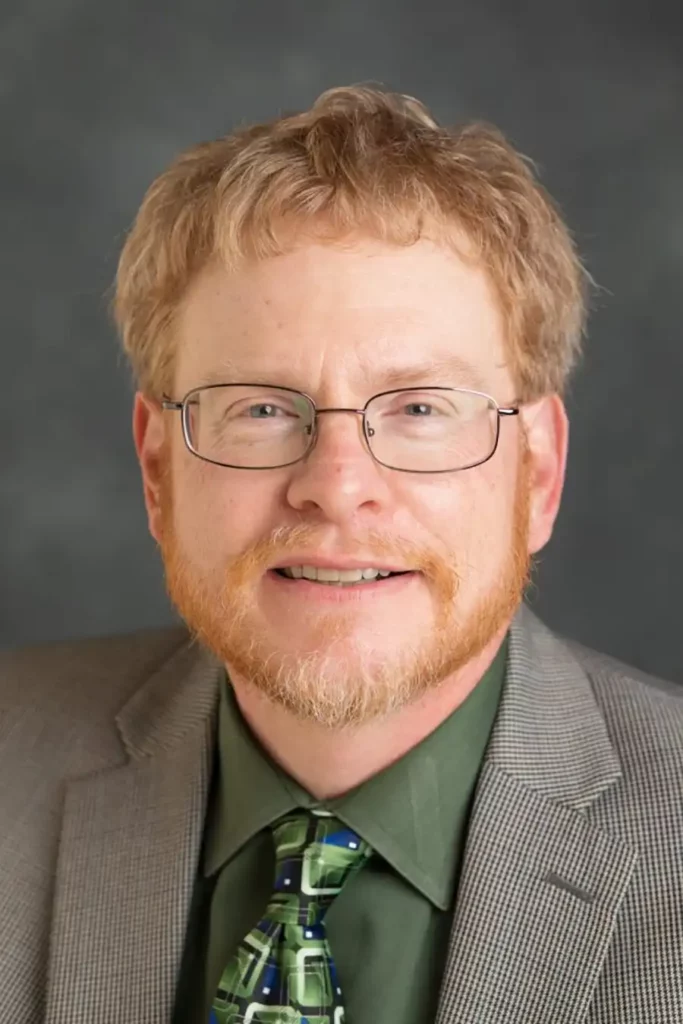
Faculty and Students Receive Awards

January 6, 2021

Faculty and Students Receive Awards

It may be a new year, but we still want to congratulate our faculty and students who received awards late in 2020.

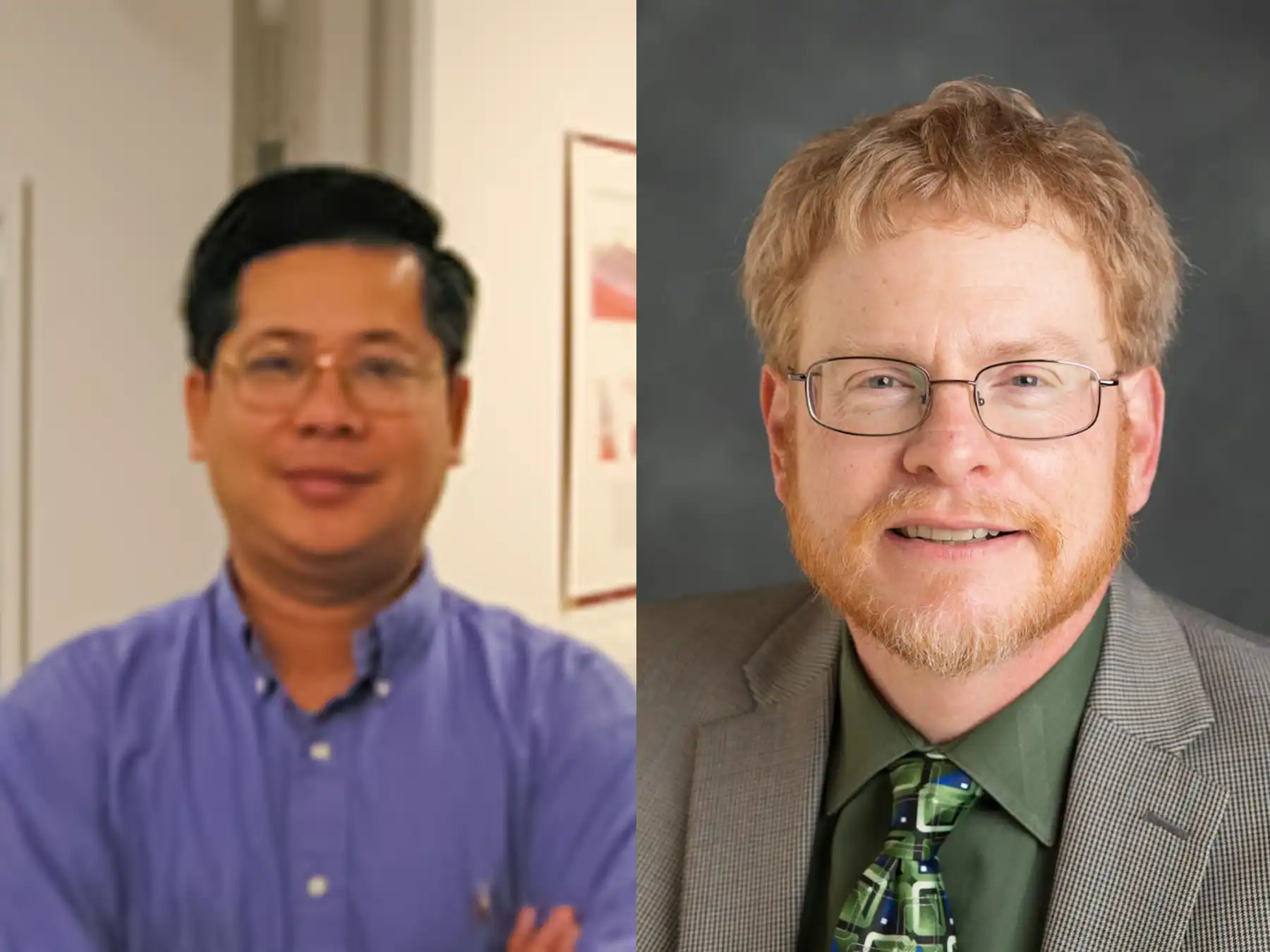
First, Drs. Alderman and Tran were recently recognized by the College of Arts and Sciences. Dr. Alderman received the Lorayne W. Lester Award. Named after former College of Arts and Science Dean from 1991 to 2002, Lorayne Lester, this award recognizes individuals for their exceptional service in community outreach or research across the university and community. Our very own Kurt Butefish was awarded this honor in 2018. Dr. Tran won a Faculty Award for Academic Outreach. This is given to faculty members whose research benefits the public, and contributes to larger university goals and missions.

Liem Tran
Derek Alderman
Dr. Alderman

UTK graduate students were presented with awards for their presentations during SEDAAG, which took place November 2020. PhD student Rabby won the Doctoral Student Paper contest for his work titled, “Exploring the effects of Mahalanobis distance-based absence data sampling method on the landslide susceptibility mapping.” Reagan won the Master’s Student Paper contest. Reagan’s work was titled, “Talking back: Louise Jefferson’s life and legacy of counter-mapping.” Alex, who graduated with his master’s degree Spring 2020, tied in the Southeast Geographer Cover Art Contest.

Congratulations to all recipients!

Filed Under: Department News

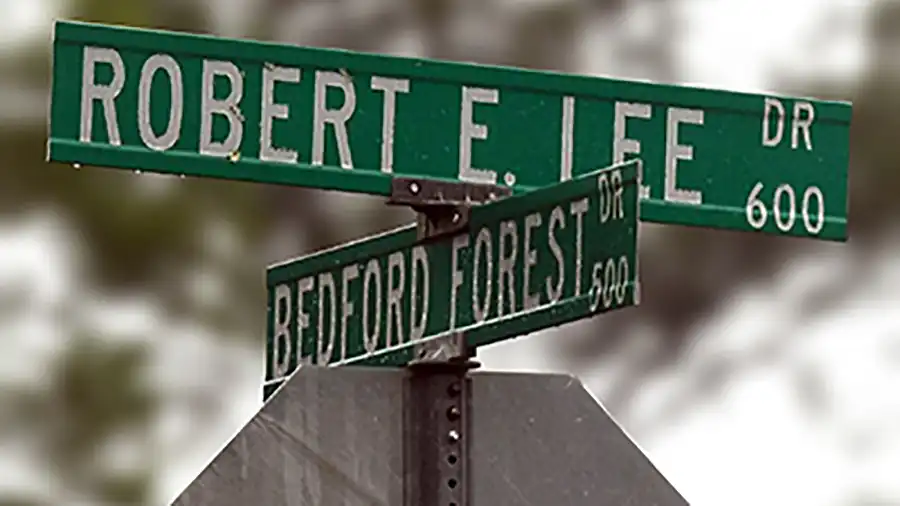
Image of Street Names Robert E Lee and Bedford Forest

Allyship and Antiracism Work

September 17, 2020

Allyship and Antiracism Work

Image of Street Names Robert E Lee and Bedford Forest

As a college and institution of higher learning, it is our mission to promote intellectual inquiry and effective civic engagement within the context of respect for diversity. Our ability to educate is one tool for making change in the world. We can demand change in our community, but first, we have to educate our community on why that change is necessary.

One way we can educate our community is through the College Conversations: Allyship & Antiracism series, which features faculty members in the college whose research focuses on identifying racism, how to become an antiracist, and other topics related to allyship and antiracism.

Derek Alderman, professor and interim head of the UT geography department, presented Embattled Names, Racialized Memories, and Wounded Places, with colleague Gregg Ferguson, a community activist and educator, July 30.

As of late, we have seen growing calls from activists and communities to remove the names of racist historical figures from the names of streets, parks, schools, university campus buildings, and other spaces. Often lost on many members of the public, especially opponents to these changes, is the larger historical relationship between these valorized names and the physical, structural, and symbolic violence of white supremacy—realized both in the past and the present.

To put these ongoing struggles in context, Alderman discussed the power of commemorative place names and the complex role they play in the memory-work of antiracism and the politics of planning more socially just landscapes. Ferguson described her own efforts to rename a Stonewall Jackson Middle School and the results of her dissertation, which documented the harmful, wounding effects of white supremacist and Confederate names on students and teachers of color.

Watch the presentation online.

The College Conversations series is open to the public, but registration is required. Learn more about how to register and see a list of upcoming presentations.

Filed Under: Department News, Human Geography

Estimating Daily Rates of COVID Incidence in Tennessee

September 17, 2020

Estimating Daily Rates of COVID Incidence in Tennessee

The COVID-19 NOWcast is a model that estimates daily rates of COVID incidence for each of the 95 counties in Tennessee. Most counties are small and they were at risk of not receiving the same level of high-quality, near-real-time estimates and trends that the major cities in Tennessee were receiving. The NOWcast fills that need. It is currently being used by the Tennessee Department of Transportation and the University of Tennessee system office, and is integrated into the COVID-19 Tracking Dashboard developed by the Tennessee State Data Center, where it is often picked up by local news agencies.

The NOWcast emerged from GEOG 509 spring 2020, taught by Nicholas Nagle, which was covering Bayesian computing. Jesse Piburn, a PhD student in the Bredesen Data Science Center/ORNL, was taking the class and approached Nagle with the problem. They spent April, May, and June developing the model.

Filed Under: Department News

  • « Previous Page
  • 1
  • …
  • 7
  • 8
  • 9
  • 10
  • 11
  • Next Page »

Recent Posts

  • Nikki Luke in ‘The Conversation:’ Data centers told to pitch in as storms and cold weather boost power demand
  • Jack Swab in ‘The Conversation:’ From flammable neighborhoods to moral hazards, fire insurance maps capture early US cities and the landscape of discrimination
  • Seth Kannarr in ‘The Conversation:’ Trump administration replaces America 250 quarters honoring abolition and women’s suffrage with Mayflower and Gettysburg designs
  • Seth Kannarr in ‘The Conversation:’ What does it mean to be a new national park? Ocmulgee Mounds in Georgia may soon find out
  • Scholar Spotlight: Anna Marshall

Recent Comments

No comments to show.
an illustration of geographers engaged in research surrounding a globe

Geographers Engage With The World

Request More Information

Support The Department

Department of Geography and Sustainability

College of Arts and Sciences

Burchfiel Geography Building
1000 Phillip Fulmer Way
Room 304
Knoxville, TN 37996-0925
865-974-2418
utkgeog@utk.edu


Facebook Icon    X Icon    Instagram Icon    YouTube Icon

The University of Tennessee, Knoxville
Knoxville, Tennessee 37996
865-974-1000

The flagship campus of the University of Tennessee System and partner in the Tennessee Transfer Pathway.

ADA Privacy Safety Title IX